
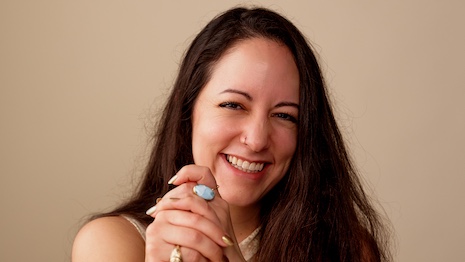
 Tahni Candelaria is director of cultural anthropology at Team One
The luxury sector, once buoyed by insatiable demand and mythic allure, is confronting its most sobering identity crisis in over a decade.
Growth is stalling, sales are softening, and even the world’s most loyal high-net-worth shoppers are hesitating—fatigued by price inflation, overexposure, and a creeping sense that the emperor’s new clothes may no longer be tailored in Paris or Milan. From Shanghai to SoHo, status symbols are beginning to lose their symbolic power, prompting a far more existential question: what does luxury mean when everyone can buy in?
At its core, luxury has never been just about price or polish, but rather about symbolic power.
More than a logo
The rare handbag, the grand hotel, the tailored suit that whispers rather than shouts—these things matter because they mean something. Or at least, they used to.
When done well, luxury doesn’t just appeal to the senses; it moves us, encodes status, taste, identity and even aspiration into a single glance. But as brands race to scale, saturate social feeds and pump out logoed goods like ticker tape, much of that meaning has thinned.
The emotional charge that once made luxury feel mythic, even magical, has dulled. But meaning hasn’t disappeared; it’s simply become harder to conjure.
In an age saturated with branding but starved for symbolism, luxury needs more than a logo – it needs a soul.
Carol Pearson and Margaret Mark addressed this problem in branding when they published their work on brand archetypes in their now-famous book The Hero and The Outlaw in 2001. In the simplest terms, an archetype is a character we already know, even if we’ve never met them.
The rebel. The queen. The sage. The innocent. These are not just tropes; they’re primal storylines that have played out across centuries and cultures, embedded so deeply in our collective psyche that they feel instantly familiar.
Archetypal approach
Rooted in Jungian theory, archetypes speak in the emotional shorthand of the collective unconscious.
For brands that are struggling to embody and deliver consistent meaning, typically the issue is a misalignment with their archetypal identity or the failure to develop one in the first place.
But not all archetypes are created equal, and not all brands speak the same emotional language.
The archetypal frameworks popularized by Pearson and Mark have proven influential, particularly in mass and lifestyle branding, where universal roles like the Hero or the Everyman can create broad appeal. Yet luxury operates in a different symbolic register.
It isn’t about relatability, it’s about elevation, mystique, seduction, mastery. It doesn’t flatter the consumer; it enchants them, and enchantment requires its own emotional vocabulary.
That’s what we set out to uncover over the past several years through a research initiative led in collaboration between a cultural anthropologist, a Jungian psychologist and a brand strategist: a system of nine archetypes designed specifically for the luxury category.
Each archetype carries with it a core narrative, for example:
- The Traditionalist: who draws power from heritage and timeless elegance, embodying hierarchy and refined power.
- The Hedonist: who gives permission for pleasure in its most exquisite form, reveling in deserved indulgence.
- The Utopian: who offers wholeness and, through conscious refinement, is woven into daily rituals.
- The Masterful: who commands reverence through unmatched skill, craftsmanship, and genius.
While the execution of that story may evolve with time, the emotional architecture remains constant. This continuity allows a brand to tell stories that feel both fresh and familiar, coherent yet culturally attuned.
Each archetype articulates a distinct emotional proposition—not just a personality, but a worldview. And when used correctly, it operates as a kind of psychological GPS, becoming the internal structure through which a brand can stay culturally relevant while remaining symbolically consistent over time.
It becomes a living symbol, capable of stirring longing, recognition, aspiration—the very emotions that make luxury feel worth the investment.
Core values
In a market flooded with options and noise, many luxury brands are drifting, caught between chasing trends and clinging to legacy, without a clear internal compass.
The result isn’t just creative inconsistency; it’s a loss of symbolic power. Without a coherent emotional foundation, even the most beautifully made product can feel empty.
Consumers may not be able to articulate exactly what’s missing, but they can feel it, and increasingly, they’re deciding it’s not worth the price.
Archetypes offer more than a framework for storytelling; they clarify what a brand stands for at its core. They’re not just tools for marketing, but lenses for decision-making—from product development to partnerships to customer experience.
In a world where meaning is the new scarcity, brands that fail to anchor themselves in a clear emotional identity risk becoming forgettable. And in the realm of luxury, forgettable is fatal.