By James Wilkinson and Scott Wickstrom
Luxury’s next advantage is not more product.
It is more meaning. The watch world is a useful place to begin because it makes one thing clear: in true luxury, product excellence is assumed.
Craft, precision, rarity and heritage are not supporting claims. They are the heart of the proposition. They are why these brands matter at all.
And yet, even in a category where the object remains sacred, the most notable houses understand that desire can be deepened by the world around the object.
Not always through spectacle. Not always through hospitality, and certainly not through gimmickry, but through environments, rituals, moments of access and expressions of point of view that make a brand’s values tangible.
That is why the watch category tells us something important about the future of luxury space. It shows that the opportunity is not to make retail more theatrical.
It is to make the brand worldview inhabitable.
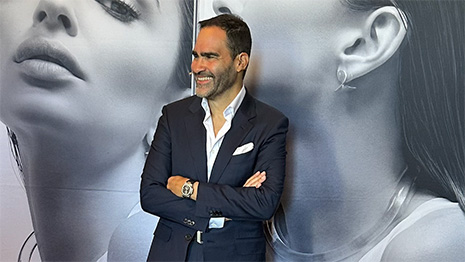
 Scott Wickstrom is CEO and James Wilkinson is chief creative officer of interdisciplinary design studio G&A
There is a distinction worth making here. Some luxury brands, like Rolex, have built immense authority through product obsession, scarcity, discipline and consistency.
Their power does not rest on elaborate experiential infrastructure. In fact, that is precisely what makes them so useful to this argument.
Experience is not a formula to be applied to every house in the same way. While some may treat it as decoration, a layer to be pasted on once the real work is done, it is actually a strategic choice.
Used well, it can give physical form to something the object alone cannot fully express.
That shift is becoming easier to see across the market. Even as reports suggest that parts of the luxury goods sector have softened, experience has continued to gain ground as brands look for ways to build attachment, distinction and staying power.
In Swiss watchmaking, for example, product demand may fluctuate, but platforms such as Watches & Wonders, Geneva, continue to grow in significance because they create a setting in which heritage, craft and community can be encountered together.
The lesson is that, when markets become more demanding, brands have to work harder to give a sense of “meaning” a place to live.
Some watch houses have been especially explicit about this. Audemars Piguet’s AP Houses are not simply boutiques with better furniture.
They are hospitality-led environments shaped around comfort, local culture and conversation. The Musée Atelier Audemars Piguet extends that thinking through heritage, architecture and live craft.
Patek Philippe has long used museum and exhibition formats to share the art of watchmaking with a broader public.
Panerai has built access-led experiences into ownership itself.
These are different expressions of the same instinct: not merely to sell a product, but to create a world people feel privileged to enter.
The same pattern is visible across jewellery and fashion. Tiffany & Co.’s Landmark on Fifth Avenue has been conceived as far more than a store.
Dior has transformed 30 Montaigne into La Galerie Dior, a journey through the memory and codes of the House. Louis Vuitton’s LV Dream brought together heritage, immersion and hospitality.
Hermès’ Le Forum in Ginza continues to demonstrate how a luxury brand can participate in the cultural life of a city. In each case, the flagship becomes a physical expression of belief.
That, to us, is the real shift – transforming luxury’s next competitive edge into cultural authority.
By that, we don’t mean cultural relevance in the shallow, trend-chasing sense. We mean something slower, rarer and more enduring: the ability of a brand to shape taste, signal values, command respect and create a sense of belonging that extends beyond ownership.
That has clear implications for luxury brand space.
Space must begin with a strong point of view. Too many luxury environments still begin with the question, “How should this look?”
The better question is, “What world are we inviting people into?” A meaningful luxury environment is not a backdrop.
It has codes, tone, rhythm, and attitude, and it needs to be saturated with palpable emotion. Without that clarity, a space may look expensive, but it will not feel memorable.
Brands need the discipline to decide what is worth revealing. Luxury houses usually have an abundance of rich material: founders, archives, rituals, craft processes, cultural patrons and places of origin.
The challenge is not a lack of story. It is choosing the right story and telling it with enough restraint that it deepens admiration rather than diluting it.
Mystery still matters in luxury. So does editing.
The best environments are emotionally sequenced. They understand anticipation, pause, intimacy, focus and reward. They know when to reveal and when to withhold.
They do not confuse stimulation with meaning. At their best, they slow people down and heighten attention.
That is where memory begins.
Participation must feel earned. Luxury audiences are highly attuned to anything that feels forced, over-explained or needy.
The question is not how to make a space “interactive.” It is how to invite someone in with grace.
That may take the form of access to making, private hospitality, a conversation around the archive, personalization or simply an environment that rewards close looking. In luxury, participation should feel natural, poised and rare.
Finally, every brand should ask one hard question of its physical environment: what can this space express that the product alone cannot? If the answer is “not much,” then the experience is probably doing too little.
The most successful luxury spaces add dimension. They make values legible.
This is where luxury and cultural institutions like museums quietly overlap. Both are, at their best, in the business of cultural stewardship. Both care about legacy, meaning, ritual, discernment and the careful shaping of public perception over time.
Both understand that authority is not declared, but built, protected, and renewed.
In luxury, product and craft remain central. It is the soul of the house.
But the brands that will define the next chapter are the ones that can translate that soul into something people can step into.
In the next era of luxury, the object will still carry desire. But increasingly, it is the surrounding world that gives that desire depth, permanence, and cultural authority.
{"ct":"vL2Cb+xHIEsVWRxJo9gDOFT8dclIBH31YaG30adqrtXPE4cyLLgAvb5kvXkZyXxMx7tvhAhksnin\/ezpgeWdUVkM+i1PEAVv2qASh0KgHuz3IVLuJNOubuxrojIxTA8Rm\/GzIqpWBe2XbVqBqBPTU\/PwZPTqiHvksoYmQcbVVpoFLTuph+O+4On2jPbTeCECx6KMq7kPp3mPfse\/i4YeCimvGgTBbP1QkeNwOV9G85wK2JWpNxSlVdGWdIzwnTUjlqi5NqMHYffuZGpNC6R20ZBbTqX485YGZNVpBkNDYXHFg4WnlBiFsucy3W1+17EsjT7DOdAe+N8jEwnEJQaRahPwbYX4gpLc9qZYQgsLfJNez46m6cA1bQK0k3ctTGhyGDAxmaroQiIm0adI95NquqIQWEJryDV1eahVZxUx+6a5\/gO8hUgpP0Fc2lkVAFIAoPf7pRlPm4HIljq9O4JIaX5\/Mw9unpoWdUWQq0Erq2j8pP4GaoegRLNyJZD2sgSqxDgz27tKnp9RNRX8dmM7FQsqL3\/TNMA9XhXdcA7I18CZxTG+wKtPG5amWlzqPfz2f1pt6LoYzVf5YdhA61ShHOB8RNDI0FfrfpQfvGqfcW4dWAECiu7Uz8R8QAtwzdGjk\/nOckbycEbsGT0h1HNHkuCUyvYlCNJ9rRRtUAxe57TEe3BgWcmceD+e5KIsn3f8A4\/oyiBCYdaR8IAvUIvaoP2dWfG+H2XVWxtOKOhJEBWdLYEkTPFbWKdaw2JeNShnC8WX787R4SuBIrjZWfS+gFWV7n5O3CpFw9Vk9tFyohA8oqUkuu1pCK328XWegrlC6aIA5l8GouIIViIYzQCvo4WFam5FBAY5Ty57Cx3T9he4fcUH\/u2O1XhAq2LfGRCl1+HCheQxsFKiWtw1Y5BpWRRHvftK8H9tHvLzcGtsb8k1UMSDDHU\/9shPM9uDM4KSp2STDj9dm\/ioLJOhoh5S8PbbULXd60q4BGSWt4gob3fJqvgAsEwaptB7wsj8el6HL+RbBvz6JjxrYC8QmngQmYAeOj6JIRP3jcM3Rn5Nt4bWhLSiJFZWFuvaVRwZlasXm2CkmxChpWc0mKfdDAcTHikCsAikgZ744Pp0yalRuc72R7vegMLbTSFvLGx8FOM+0LYDYlMn\/g0rx+brtObQQC2hmNrgViFwO2kQMotbavExtY19ba9dDtLGkh4\/+NLVqYTjTMrklWWHHfaj4BTaXGdkge\/pcaqYVVDqSHztMF24lRW4Ub1Waz0xyskiSMukoP32px4NUGgF\/gQ\/OsVVfr1fRbPn4OGdd7vtlUzsf+pmXeBYblGhGC4OUM13zyvKwVYwYT1imKIUNwdigThzlWUYY3WElsK4INrVaV12id\/cWvw4AYcBqnW8jSHIUPMd3gSb+iZwTmaT95Fe8mKb3LeyEBOjZ7PzNgAjoabkCMBCzVARwVjJt+Zr1O28zNG7uU3fVY89B6q0RAZwEF\/1kbArOhBEwAtJfdwd7QjVCWYhbrC0GPMrxZ9CiXWahzVCsW6TDq+e36SeXsoQgVRlnbqsjq8bkUqMwmZ0xBHUT3gFbQ14Ag5WAeVponLsAljWFztrUCFtpsoN54OKBVuQmuldboxPZD4DDHAOSTZOabdtrhXsYUZkJTx3RBU+8nAnaHs8ApUESbVxFmWoFHWvgiDgopNbEGqXETuW0xwrGtIZo58J4J4oPj8d5mhkFZOROfG9vzRdGM\/HJoBSJqLMtk9u\/0f4XgMj09K8z0CfUUtxWRZAeS8\/774wb6IFatn1eFQrNOGHYgmKYDB98ejiPqpMXZ5tcZ4CXM0jka7wFDe9QO3BkB4jUt9NsyhZiQMmJaf4A\/rsNl9xKb9hLWOJmOcflbu\/Ewfhxbq+B+ehU0CirbiILZF9hNmBrl5jvvkM1hqtmOf9cBCooCIphQO\/vny\/8wr1vmwzpf4jnuyXZwPkrKt34ZukyVsB91rNFjY2tNBHx7W26Ry06Fk3gktUvGhlTyLxeOTH77ueRqvuAgpsmnAgrC0GD+EcbNa+nFR1SRHHqIlghM7jGr1bVqtLAv22vEJYIqC\/pyQMPk4UOqGfFEeA7tNl4T\/ghKXdqDC5K5SmNCuLs47Omuwhjx2ZScoQ55QKAiUTKPW5i0UtBIdesKVcer104rzilsjQqgG413XQrxIrlu34FyD\/jOsDy65RZu\/hr7EwnZYCadFo5Y8mvmVJE297YOI0rUWA+5CcvC6T2DgEZzlnH54SSgqLLB+HjZE1POo1bpWvVWupDZRQ4FKfiprymYaLmUjlSC0\/+7LsCtY0NGBcEVx39LrxFaxu1bQYl\/YV2LL3aRGZE\/a7yR163k85dQDwcKsG5uPMKIAxVJN42dPzHuZFQqj9P5f2ZbahYUiaUyku1voc+29QlAMA8yhQZqa3oRmEyyLzupVtXvBqPGHxjVXTI\/Ad6hfShWAJV1u9RytLp0jQedt11ewYJNdPlkzTRUulqIxN6CexgUyWjFH1KhGc9viB6OjDcil0+JuSLoPRBXkm4EpBYGz62yrMUAM4ieW31pwJKjHRaPY+qmeF0Q\/DFwcyzS8nqrdvaoq5RIvI9a2294kzmAyJqPV7WZ6kQOKx8uxj\/1ZFc4eVnbxCLx0Ji9D6Zg+r5sw36h1xYZW9IW43A0lfxJqsARINE3BFkqgNltRRvpHhlzLZ\/8bHRHxhGCzpt5nVEwEWAdhEmGLguByRUNHBgH6nCFS4ngjd4+kCdpl3ZA6Akew7MCNNg87KjNb\/5QP02h3bvRK1CbR6rjqLiE6RRJQi1gIwWuvGCoEHoL6X7K3AZOomft\/5bgbDzCX\/E8zze8Hte9d1lQriN+pmG\/X3\/E8DrdKxEfVXf9rH57dPVPNUitTHb+KOC\/NAOgh1hW1n2CePK1UnvhFZ3twEknJ78GHZTjH9wV\/b1eUvyHnqCP5bzsm1STkeKKYGH4C0EvHJ\/JgaOnb9NhFP9Brx+vHIppoen5OMzWqqtycnMZbKc\/blHVpvm8sqc6y\/Sw7mi4F+17focbDYnwLKTrHMGQB1DIvHp9IbdflSgypv4\/THC9Ic7Fh5WITzLn9Ap1a4FhU7F5v+zaJd6hRGdkq4t4IMSzn2dg6tW5vsQsN9yD3diosFZfzL42HKg1PMe4xebuEk6QRZrKeRdrq5LM96vl2zCy\/88P0kN8Tcx8\/omD1iSTktCfwIlWPUDt7t98Xk8eeNNkn8hsPcmAg\/eTD4NI9CBWu4BT2NndupMnDoTl5ATI15VCQjwhqkZc\/zNW\/BmXDl\/pXzYnOfmaukz6eLNt5pnbw90unD20b1KaLMatJeZV8nGBpxhP3oxrdbRb65B756EyAXx9ER0guqMjFodonuLxbOeoBL7cdFKqTdAtLoaFRjm7eDmCtHU7oVLjGghRy5HIEHZKtTNlSLIcJxFbj5tpRIrfHSl+xCt1WtE1JSl7GbKZDtKkfpGcR5oZHmnA4U69jRxO978F8FIPnJlrvVa3wpy25reaF4cEhoEHxpIrhrP0gSJu82o4bmIOSepEDbPb5oh+t+GP\/XIXpFP3+gU51Scu1xzwxgv\/pqsUSxU\/7YiMFcdKA7xmtyuDQCUS8GlIyUWAkvkI7WkXjPzLO4+tNdTM51TsHGI\/PQXTtI6C1q7cizyogBH7s4ZsHHACtEkaNt6K+jXPttuwV4ro7bq73QbRZgoEHzMod4kxasGheL074T885zrXNpDaYjCzm3T0XHmG6JQxNLNbIDyZozsoRKPOM7v4+GIry6qtuK0kn7UUMU34NHZ3vBybllHjw4Z4LY0eJWwrgHh13jnqQ8N0Q6prbRTA3\/T9+ZDU\/0KvwOGnzIsCTSvnOKl3Gzexaxd8b++0a691W30GlRML0185akS6BGg0Uv0\/JCZXhQTxBdZTYeGauzxqvaxdS+q7ClLXeoJ3Dt2QXt8v5yv1V1AYNxuGcj1xCiZ3jqGgkqgEdg69iJ77AQaRuo9Jup8P7azEs\/6DyOcqPAWpkScXXB0j5HzuWyQppt2jhbuUU+1CVaBDn+bSOWvWDiygD65N9b+OVfgecStfpx4cQqPVY\/oURxn0qNzLyKnWkTEuATDcJ6rJo7EuJjv69sJ27KrhWG6EF1ciL0ojLH764YC8+N4Y+qkXpTJY6pysQTWpV44p482FJIhoDlaGUQdmFZlW93I\/rQlwPVnBAI+UhQXusSdsVxEkWPjwBZ2Xe8ad\/LcfnV1LNHgJiPVGavLRwpKon93xBMnAc\/Y7XM1jVIxm67lbYLPAmFy3i9cH90G2yH0Oe18ZvoTo8tUje9Jj2DFHnKDdHafG6hpHRJ6diTJbB7p3BymIz3qLXG018VMbSIqMgsyRtKQEv0AZldWPBMKMx6Y19yL0xHt51wEO9iU6c65IBlLqN2xnZbTII8xB\/94Bd5QKshzF4ikQ2KqaXTBaEWNIyX+fPDDRrgJ+\/3fuOyvFhGGgpql+TCplrxmpz3SA1I+66+oCmuNYYDcJ5ALoq1wfqKzHNYUQc1JU1rX3SZQbQn8J9DRQq86bfWryEvvzX9eAdfstArKibO+c4HYP\/OkYTnA9fSJhlvomLX8SON\/454Ll\/UjUsi6lk5sKXnlKdhlqnaAdBju3tulIU+3AKa6+uMSnJaAyw1WVBOtrCOi9TqKKpt8C00nrimoRPUCw3+Zvmkv9KGfetkcr08tXwDJZfjZoXtzb8lRUPwWRaYTjlvmDXoQB80VhnC8TOkb5u6QrxnXdOf4fI8ZersTxoBu8bxG4cuOxtI1DHpIQbfN8hoy7Ggz10quUsdI1ghpYDsdJhv4wRr3Zv74mKPsqQBpu1zNNaVDW5gyYj5GKmgJoTez6JhwETdiaM48YF+O+69hww4HUyYT5ZnlpvZB3wx6kAwZEGvXozv0ksGdsAqtjpjjkmlY5a\/vn2YrAOYTj2dMowZtqLj3rOLOKkZuyS9ykfenh0r+V3RGkzYZf1E9ApRA6S88xE1kuF3lezjcHvjbeO2GfCVHD4vpLHF3aGZrDmhbIcFa7yYUYCCRqzKjb1i+4C114McW2DwLkXTtWqxj\/8M5JCV06WwIvEqpHfg7vloEDwNHmqsXVJYMY3AFpCutwzMQAShUsPVdQGTRBE01DMNQpez+fiQXAZl6D+9T0TiOWtJfIFBBbu2tX33N7Ew47SZMEGJAr2Zc8XAJgM6rtJDmLmAiSZ2B12BHOh4zLTfMRQ3hx39YJ7EpIWpAYwJOb\/xEAY85OpzykssSq2gg26eq+g86TJcPIyt3yxm4B8Oif3yU2lSOtc4XuQa\/ZPPa2XYyjY7tPxsWDBCoDbmF95SOf8TIds+WCYvUS5bgifxybQMxr\/VlbrqUgkfwcf+pCk+ZwYe1KmW6hLXGNkS2ZnK0CCgOJT7EDySibEGXfoZqRLTuMboXCBqR+O10LOeneeaNN8odAkD9HDgcf9tvpRhe3cMIiJnW8EjuLK4ipJNS7SaUp+vKSAPwtTI63w\/mhxrz+n\/70FwRUAZZHRz5lRruTrBarhjvtIJtmNYOjkqkIpjU6bBL\/bLoyHsU4a2CxOfCFldUnuIe6XDLJTRQ1xAP3MbrCDRfdTgv5jj1gQpWt4Qpu+lfcPC+V6cpceu+\/vs6dFlavf0TKFImPpQKUxfDk1074Q2CTxzPaWH6QE0KFB9UajL6wQ1E8zhwJUumIuHPk5mELMcI2OuCQj4s8wJ0AEpGWHnIzqFNn0luOzllP76rMmaBKAu3s1KH6PhUKTdQe7T5JX1643T2\/M7lVb8QNCJAhdNprRoBKEJGj3odUh8AOvnVsKlWcP83XngDiv5greqxwQBoGYwbINX7jGqQtAMgNkGiMLdXUMYrmmP6yfPZMn0nWylu24263hqgdIjGaIWpzUbAVrgBtO4Wa+att7FXsULZSzxB1w24AqhMeAsxitPa70yn2swbR6+MYbJB5ujQutTF+cD9nm146kKYxtrUuRY0GU6fDnf\/OBvRQ9+aqgU9PJe\/2VwN8WH6Y5i8KYxmVrTpo+F10SEz71HaF0be\/Y8X7hbWeOtz7CH0jj4QVF6WE8pvJE1XV+g6AkFMHHH+9WQNNOaxS7M53b\/Ix+8+DinIPOzKDNudjgdKwT3VYBY0jKrTbyJHnkRK7vTCGwTlGWI0JnkRDzgSDiNh\/YX5beiwSfumu4OGTlG\/5wUT2Omi0p0lEnXhIDzsLJTQ2PXf3m2ZMuxm22aWrh9p8n4jQeSplYMct55hqf37qJ73TkTDscZIUBUTiHxcnn0zIZYca\/xEZFCxmdFrvEMmRwfTmedGATAfgIecJr35g5vjVJhLG53zmulSIVNW2RKkSI4yr\/IL97PMoAE4BAebbRQN201p3H4Twkg31w9H4Gt\/TDTHPM1BPmFxLjxi2w6iifIUPkcLyNDmySvyFrOwLNR0CXFkLTQDyaMkdS1IUrZc\/tt0r60o4wO3v63h2e2UTOORbBzHxcst7GjZRVqVTjxAYGuaiyF\/sopMCQ9DmezbkNPOjUtpHr1U+KxwpNXtJyyAX4+Vt+dt2bsHU4PpGrZO15eD83Hqbb24vVTUAMkJc+OHGq7QBkdw1Uh8ReoPhRVrhAMNcyUtPoXmUFaoNPjbjv2ehqwXT3qCb57nna8o4MwwEZsP69zsCxprEojxo8gRNRwlc7F55XqIuF\/xUa2ycgMceaki5R7QcAFF75aZC8KBgrQd0ezfZi7MVezjwJiVCt84bPKYnRFoyUUJbCF7YY4j3XL7tmu63ow2JDfJ+K2tfYdGzNJjryQ9\/MH\/A\/SHvuzqQhHdvnRRByQYvWrGCE40kgbI\/7LlUwOm56tTpJXbBQO\/pWe3sAkcLEEErXhbCGp7wJ74mN9hJgiJ1BXUXMrUAgVUNhtgFQY4ugyo0Me5ukc4Y5+mj+xk3iAqZvLa9W35JNp+CxEAyDeqtG+S9fG34nYcTsNqUUzZqh\/Kvz+w\/tpuW74hSVQ\/UAWq9OkqNlvj6hu8Fw1J5f4GLXCVCYBxVlaSbbxdapxCG6XW\/I\/6mTkH0NH4c23UT4SrEyQAL3R8E+DAaQEBV+oNB+YcYAvJ1YdtBaxPmzagep\/NeoFEL5qcErZwRMBqFjc0tqCmZQuKkURl7tg+282EOoXmgXguv9AsYxlXsBtkRmzG8kgY0UKclMfOH65emkYDg8Xk6zz5GbDu\/zaH8KvOoev2dMjGbX1MShZSeFuBSOghWSBERDLEmWWF7Z0Mo+agc1hV7NtRjfu935mBnZL0fQNcO4uNpPIR1R7o8gmQexn2iPMMA2WvuadvBQQr6LhoclHcla9aPOQMwdWCer1rOdHb16El\/K2g12dGCzAIfqHRhzz0xXpQSOHAswnunNJTic3YXgw5a6cqMGZfvinzhldbEic7LXuQB6l+JZ6CP3KD\/1rwHb22kg0\/L57YDFCs5clnvByYvr0bHvT7LoEN6\/zhW37gAy74FF1daMOLss\/J2IshXk7TJ2pMOfimbkjzA9dqhamM1bam9bKAg4Enx\/x5LBMBel\/4VnDIjAJ8NGe16zgbGWj9hBJ0+7WI58hKrPYHvIBbiTkGMVPQjzHu\/CDqvhis7vrxNkOg0OxyTCUN8x1iLuBLOVi\/RrUnmCViT2ehTIz2M\/f8ABypHa3TNshBUlR5kp+rJGMzIcMUYKZGLW3DVF7qKKPBtPhPnciPdu4n6ql7l3QduyVFo7snqzGSMpqpza+URW8U3BWB8ImWPgs1hq5nJI5nZcj7hp86pfv+BnqiTHh+ZdO4DYlNRSuXBc\/pSjVtCtn0YF3B3FSR7e2QD+mfxCj8tGi+ArLm9lMKo4X4TK+i4FijYE57SAaSl\/nUumy5KYwRPCcBfoE\/zK8\/8HsOd7hNOBfr2dDOnrbf16jQJNK8VLCv4VSPeQOwImEQu6H7US7iZFaimqdbiL6GX9eYa\/BOSeBdqPC4NOuCWsrOLkAZlsKzm+kyKoi+6e5U1Mp1mtS7qhjndHBTaCIuUPPUbRJrOWi2vvHT+V5O5EMZsvCjKib1Icsi5TGB2nyIG0e87sebUdorHyKK4TImBFCUnn1qthqyGAkNcR7DQGgTzTrYBgPnZ5c0c82ec0AuICpPcQK6gH+THc9ciWHCI85L8neYN5r1KxHUeuluaJGyt+rTjtiSRacoNmNIs0SXnhk\/jvUtYxP79ICr5HlL4+PfYpHUF6aAxD7hocMqrMvA4NQsex665fhn+d7L3CrV3A8j\/v9bQRJ9v\/KaiB\/O7AId9Ka\/MsV9aLV3l2Ei3DGuIBLqoxQ0q5dulbsVIkm3wsG+l\/rB4+7BdExixxXON1Y7f19lvELBCsCUcOqARcBfQZStzt9cmwSP1d2jIsmbvzL26XNU6SN3pcYMRW2dlMykoee3b3YQVMSfCY4XsupP\/mRFBWEi+qOGnRnlNnr+HRY3h5P9urjeLBWdWgSR+OBPAh\/JZ+6ZQ5xpotmGhGGS\/88nBX6pbtswtcl2oe7pHq16o+sYzqiN1C8mVniHsi\/YcloZCaZ7iCtp4ezDzcKzmCiaul3I+flNI2vCiBn8LWiAeUtH4ijmD3dggI1POGpJwrnHIWVEzynLx20U09MK\/1saCoTBrN0y0BZEAvrVxlSqsLHmGYv0xQG3KP9mtKgVs+LKvat4jiYrjAa1ImthYDNHNJuJqrISjOl82UMS4vsdZ8T6GvvOJGAk9sPBryeWpJF07uNgDi44TyUUlONzSMKkMg5NjcbaiNknv9FNBBrWf7uqSLKQp7LiKO5rLeS9e46EaFFJEnzhnYu+LL5LI\/BcLHub3L1xhlQuVgQCZhCANoBrqYmTRHpdRGjDV8ojsuRR837B9wSQJIZQ13Jk99H5YmuYYA\/UZ5TH2wSn55oln9AcsQgPTKDefchszmMM1pBQMAy8XW2Gvhs9Nzm7qLRYVps1+rYMSD6E9qVjx5wM+NCg2zTqFfr+fU8Dqrh8FPv8e2moD7BLT3hw2KQFQXwyJCW2DAHY8oXqUjwo2RSh\/0gRzZ2E38VKPPQemNprtyne9MsWa1uQG\/SoYeaAehKs\/rfEt4mQ62K1TDWxubHeJ22aSqnDHJUVGle\/Ce49qBANY20onY+5pe3oJBSIAVN6jf79avQj8\/vFZqAbSWPk7U0uzV\/PAjaZ3IspK8llvGTWKW44GOXCVBe0fxAr1FLUvsIm\/T5HeRoe\/LN4FTsXgitS12iixdcYlmbQ6xo+tIQeYR8gUiQEIJuZ1p1YLqlSBXghXmeNkY7xECs4xXEY4+08SKGEBqQLHkPy5dMtawIdzXuknSxnnu8TnyF6y7JLKP450IkEtbQqFrUZwXe5nWAxfGX9zRsX4SjHlWIArpN4kZfHz+anxXXyCvVk8eAr6x5MFPk8OkziwkFQHc\/05vif+a53BmiBDdIHLA6eDAphxaK5PJbMTC+UE6Gw1X74HWXD2hx3x6hHqLMmgrNfF72kCLDBOgGqBaYUSBICVPjCs43oIynkpf2wgEEbwzyNKEjhn7inUlimnlYdBZa6azW6KOkmoAItDgWHlcjUEtaF3j+mXk1cBt88nSKfXKc++\/eedRoXP3w4ie6soMcj+MToWjSeXinnIs4abu7g9h7EZ+vo3FRmB6Uwri+oos71qs4qnjivLdAJy7xrKUVuxfIqZI2dxQ48+6IUz6cmzv2gTOWLH4SNfDOy5odMvCjP1L0l1FS5jpFGHDDV4dxC5ewKV4n+I33zdvXfR\/z\/Pd6JvbsR1vnoqaYg325FRHZWnAXwIMDVA18zSID+aY2L7AIQkrZfO+9c6ghfCyJTBddeqF0Jdt1zlpa160offsn2UbUCMf9XRVFdkvHYc9X9Cyy9gl799F\/gwgQbFRC7hrpUqChpk9ZPzwVu85VzZjijejsEs\/\/SfVRQ\/zCMfCsb\/kwBS28wphqSLWL6Xe2Q5uSSX5bYc+yCx9+8u4K9dBnr1an2RUoF4JZey0Kk0DfSVKG85XsXv3JJisvoKelFW03ctVAwWN79NO\/cUzueUiDCObVORtsc2pQHdxsR4EmGjwCpggoI3X1d2ocoAK36LJdtKpXKwPzoYmFoYA4Wyuv9+bKLN\/jOnBid+VrMtMxcwyY8rwzMs6U8KMkoMyVdZJYh25TD3yaJ0UKjj5XMZfhPpe7t37CJ97yuxfJPsnkYBwuZkmTlM7fqTHr1I1Wv9OPtBX0+CzUyoy978prWSdD5xtyQhaallH+kb+TeAHo39BNrz7xNLQIbZJitd+B7omU\/Nyl+0mArWpCk202vFZgCt4++tzzRHmv8dlMIb5\/CUNWaw2b09SRGjLSdqQ7tJCRBpxNI4OEI9Sw3ZCIbJLndSy\/AZgkBNrN9fhA4aovjKAqX81hI1j7CIKdLjAmHlTsIjEcecfCfxVbir5zXq+IjTbMBQ6xF56yZu\/+YfIGXD+BOY12ZmEiGGw4pFRmAQklWk1R3\/FSosFFCDPlLtvaMRJU+8+lX\/\/bx8XwWKMt2tzT9iqkmbkZkag9zdh+egvc7Y4b+i9VHbyJokseLtcxP\/1av\/2ckIq8Y2stCp+1CQkHYiC69+lZapgO5rLOBPFNqzlXpa5MqbIWWyC+X5p9quKUGg+\/R\/Xb4lglsASa3gSwa11CQnGGsCyMClU0ixKPyUCA0YIh\/cKsDhYU02O\/vFzicsESCXWfcHXDJcrzs+LR\/EPl+MfKfqLmPcRyOz4=","iv":"a94987160172c659909010ce72612be2","s":"2edd790446069334"}


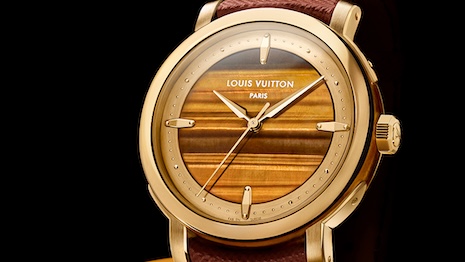
 A watch from the Louis Vuitton Escale collection. Image courtesy of Louis Vuitton
  Scott Wickstrom is CEO and James Wilkinson is chief creative officer of interdisciplinary design studio G&A