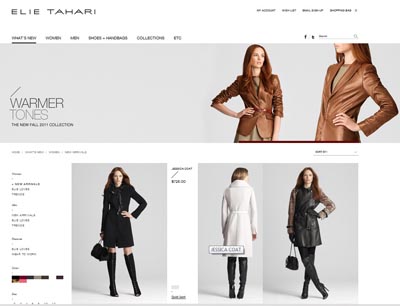
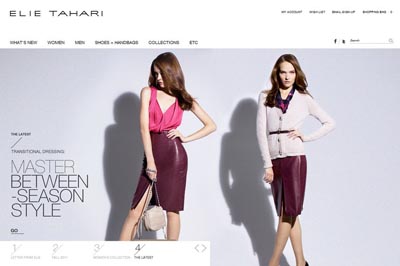
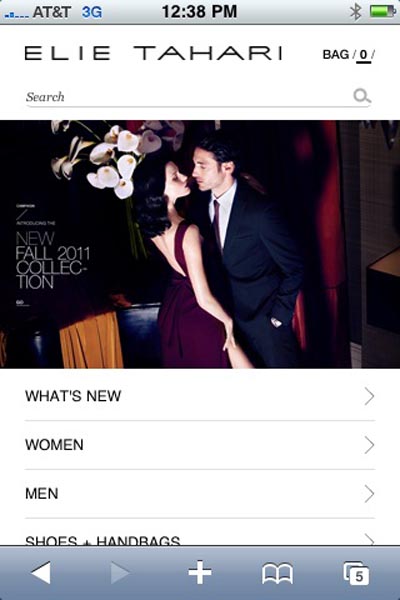
Apparel and accessories designer Elie Tahari is attempting to increase digital transactions with the relaunch of its ecommerce site and the debut of a new mobile-optimized site.
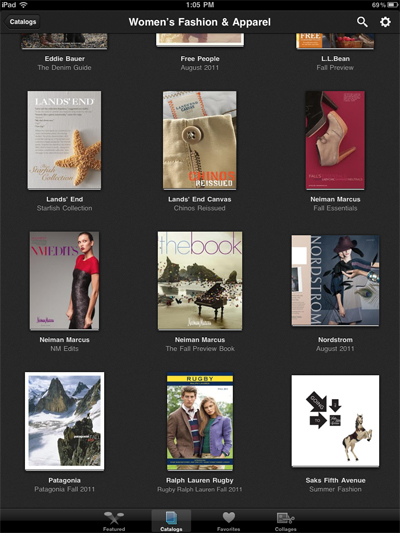
Google Catalogs is a convenient platform for luxury retailers such as Nordstrom, Saks Fifth Avenue, Bergdorf Goodman and Neiman Marcus to turn their print catalogs into digital editions for the iPad and reach affluent consumers.
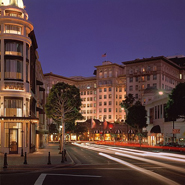
Hotel chain Ritz-Carlton is already looking to ward-off the general Fall slowdown that plagues many luxury hotels with a new business-oriented promotion.
While luxury brands are getting more advanced in their digital endeavors now more than ever, compared to mid-level marketers, they are still struggling to transcend the same experience across all channels.
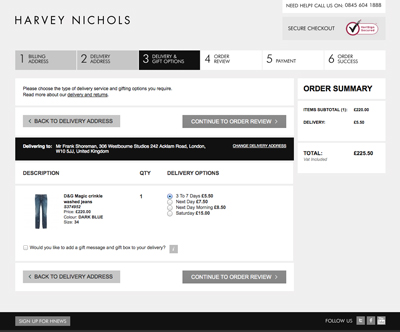
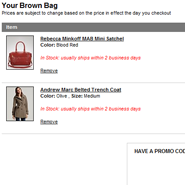
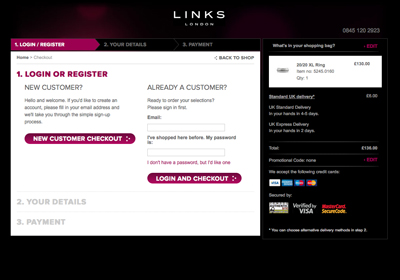
The online checkout page is arguably the most important part of a luxury brand’s Web site, directly determining whether or not a brand will make a profit from its ecommerce efforts.
The rapid adoption of mobile technology has introduced a tricky set of constraints – smaller screen sizes, landscape and portrait ratios, odd UI/browser variations – that can overwhelm newcomers.
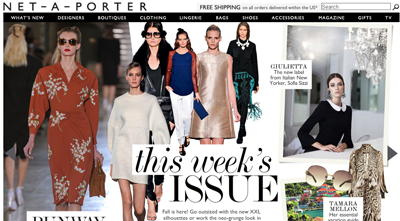
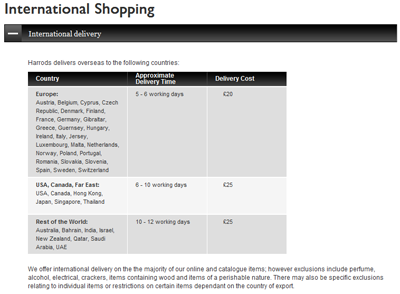
British department store Harrods is increasing its digital presence with a soon-to-be released online magazine and a new mobile commerce-enabled site, as well as placing an emphasis on digital search marketing.
Regent Seven Seas Cruises has reported strong numbers in the second quarter of 2011, but as the market continues to be sluggish, consumers may be reluctant to spend money on discretionary experiences such as cruises.
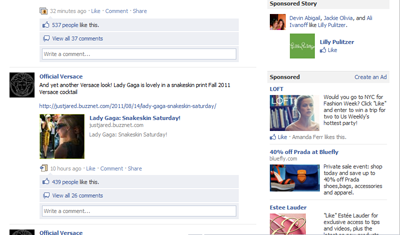
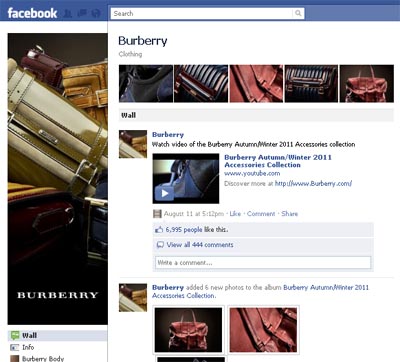
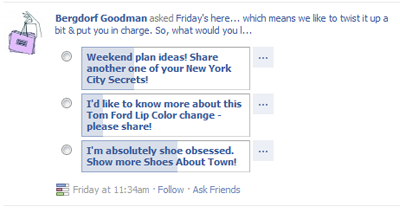
Facebook marketing offers a way for luxury brands to form a trusted, two-way dialogue with affluent consumers, and gain more loyal followers by optimizing social endorsement.
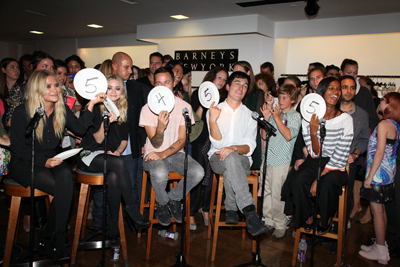
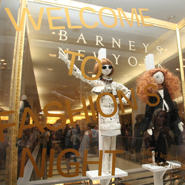
Barneys New York is emphasizing its local roots during this year’s Fashion’s Night Out by donating 10 percent of its proceeds to the National September 11 Memorial and Museum.
The thing that is becoming crystal clear in mobile implementation: it is not easy to do. Marketers and retailers that want an easy path to mobile will be disappointed.
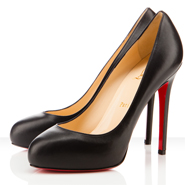
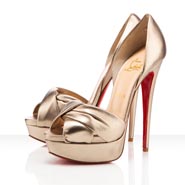
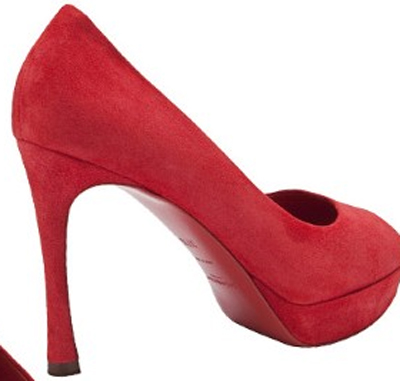
A preliminary injunction was made last week in the Christian Louboutin-Yves Saint Laurent case claiming that the former did not exclusively own the rights for red shoe-soles. But what does this mean for Louboutin’s trademark style?