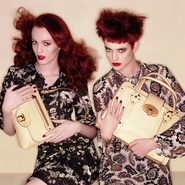
Today in luxury marketing - Mulberry bags huge profits rise with help from Alexa Chung; Natalie Portman is the new face of Dior; Nordstrom's comparables rise; 2011 trends: Content marketing is critical.
There will be parity between mobile and traditional display when it comes to data and media exchanges and demand-side platforms, but mobile advertising must first overcome some barriers.
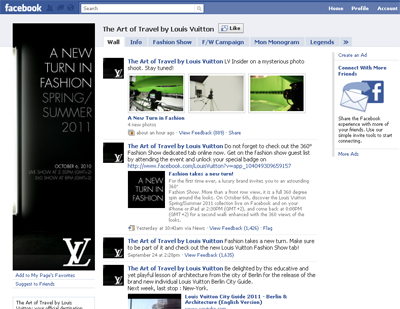
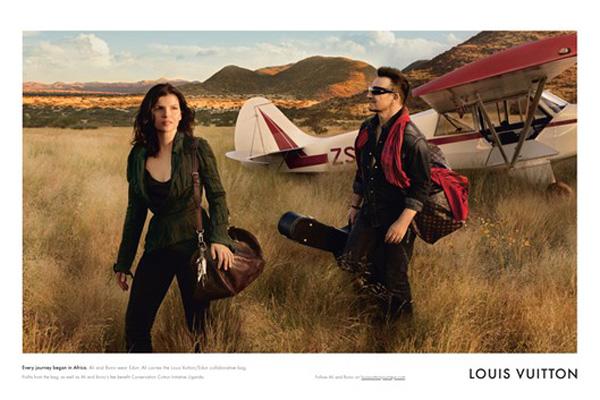
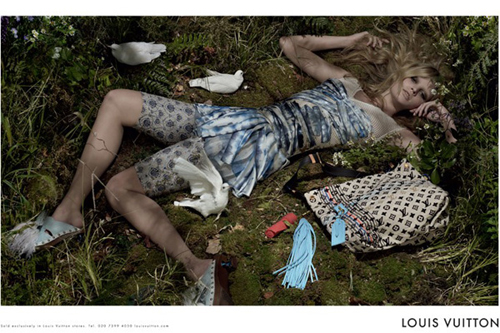
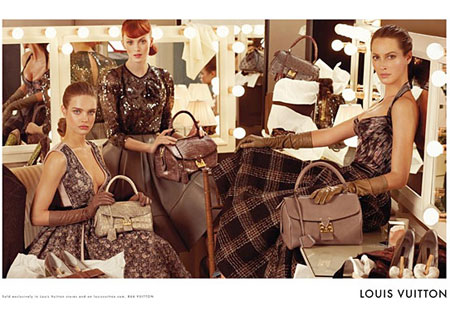
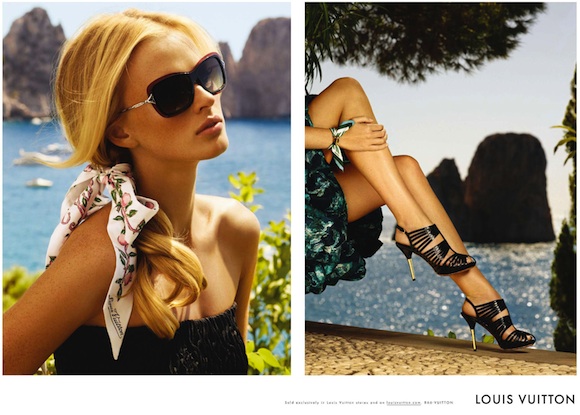
Louis Vuitton has taken second place in the 2010 Luxury Marketer of the Year awards based on a superb multichannel strategy that brings the history and prestige of the French fashion icon to life.
Saks Fifth Avenue has expanded its online presence to engage its loyal customers while also serving as a vehicle for advertising the products it sells through its new blog.
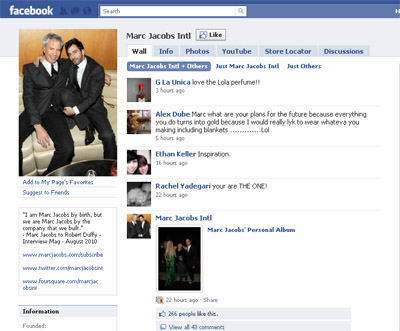
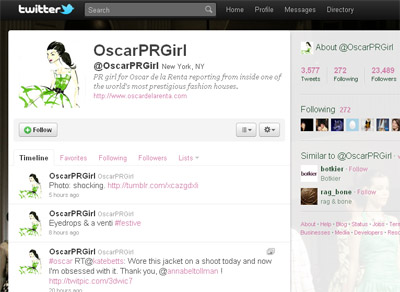
Upscale brands such as Oscar de la Renta, Marc Jacobs and Tiffany & Co. serve as role models for other luxury marketers for their outstanding use of social media as a marketing medium, according to industry experts.
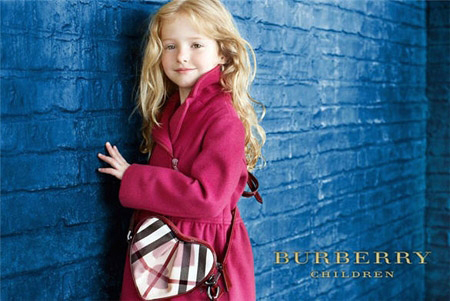
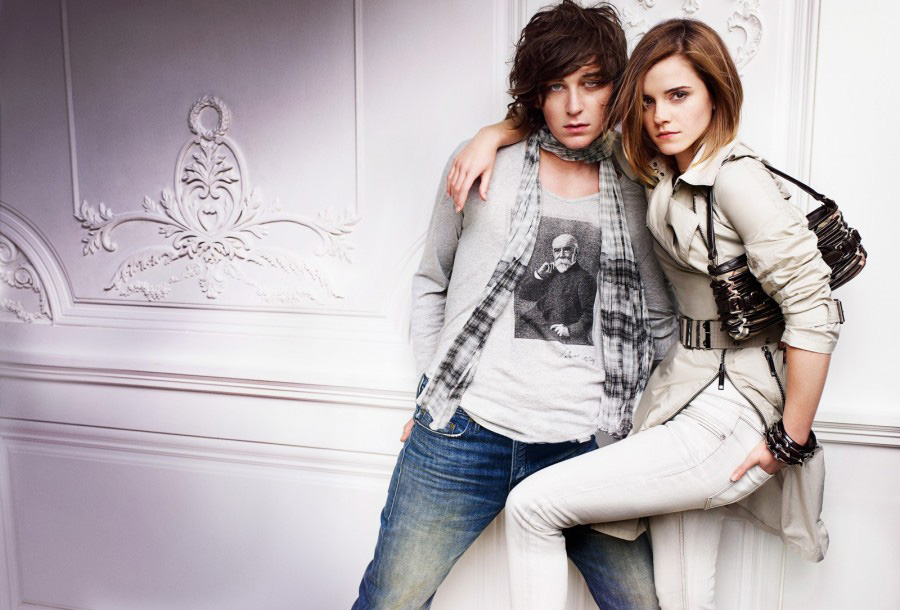
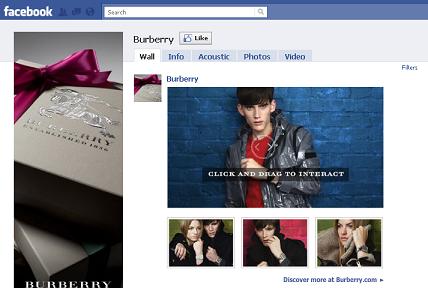
Burberry has taken third place in the 2010 Luxury Marketer of the Year awards based on the strength of its innovative digital marketing strategy and continued excellence in traditional media.
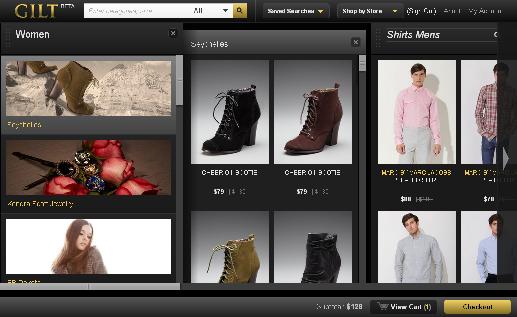
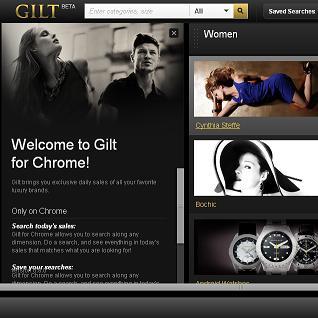
Online flash-sale purveyor Gilt Groupe launched the luxury industry’s first Google Chrome Web application to provide a streamlined shopping experience that occurs entirely on one page.
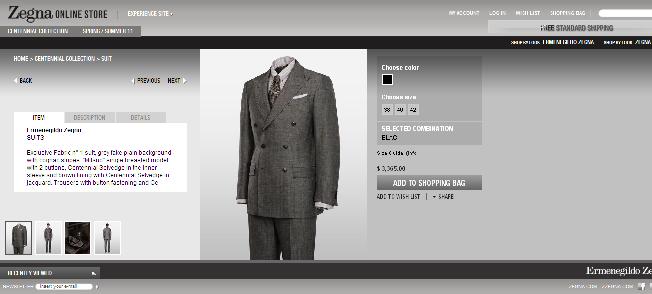
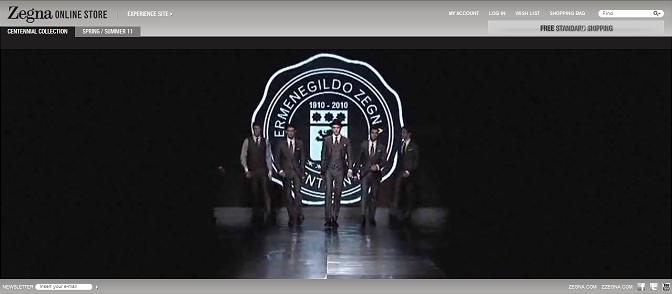
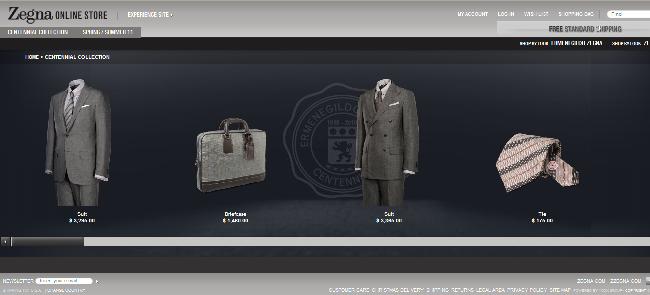
Italian apparel brand Zegna is generating excitement for its first ecommerce platform while building a database via a two-day sneak preview available exclusively to consumers who sign up for the brand’s email alerts.
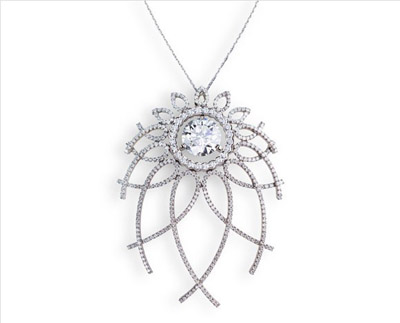
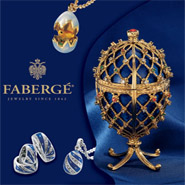
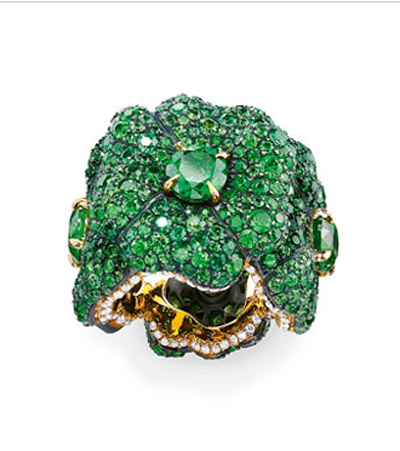
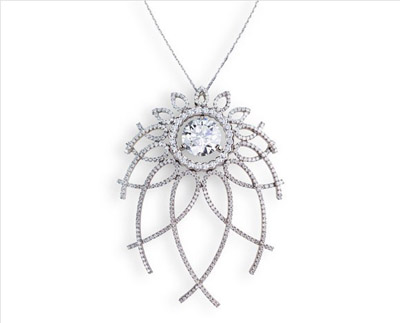
Russian manufacturer Faberge is attempting to reaffirm its status as one of the top luxury brands with its new “Carnet de Bal” white-diamond collection, which it is promoting via an iPhone application.
French fashion house Hermès continues its fight to maintain family control of the company as LVMH postures for a takeover, leaving some to wonder about the viability of independence in the age of luxury conglomerates.