Today in luxury marketing - The New York men’s shows: Sincere, inclusive, politically engaged; Burberry puts trench coat factory on ice amid Brexit fallout; The luxury bag brand that's reinventing made-to-order; Prices on Swiss luxury watches are falling for a reason no one is talking about.
Amazon, search engines and, to a lesser extent, brand Web sites are where the majority of customers start their purchasing journey. For many brands, the results returned from such product searches are not flattering.
Media conglomerate Condé Nast’s ecommerce venture, which saw fashion news site Style.com rebranded for online retail, is expected to launch in September.
The Ritz-Carlton San Juan, Puerto Rico has curated a resort package for guests interested in an upscale retail experience at the nearby Mall of San Juan.
The attitudes and behaviors of millennials that befuddle brands are only more apparent in Generation Z, a study by experiential retail marketing firm Interactions reveals.
In Singapore, $2 million can buy a Rolls-Royce Phantom, a penthouse or in the case of Cé La Vi, a venue atop the Marina Bay Sands Hotel, an experiential dinner for two.
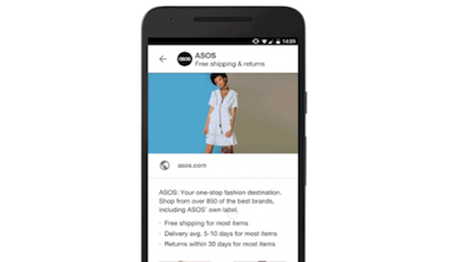
With mobile travel and retail shopping searches up nearly 30 percent this year, Google is expanding its mobile search formats for these categories, including adding flight price tracking and product discovery ads.
The Ritz-Carlton Hotel Company is the top hotel brand for guest satisfaction, according to J.D. Power’s 20th North America Hotel Guest Satisfaction Index.
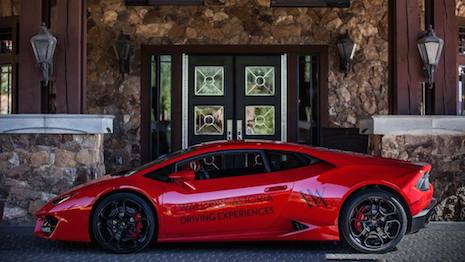
Luxury Daily's live news from July 13 - Hermès acquires stake in creative director Pierre Hardy’s brand; Lancôme boosts millennial appeal with Angel ambassador; Waldorf Astoria driving experience grants access to Lamborghini supercars; Burberry shows optimism despite challenging climate.
Today in luxury marketing - How to deliver the ultimate in luxury retail experiences, Italian style; What is really going on with Style.com?; In New York, a falling market for trophy homes in the sky; Tesla cuts prices again as sales miss targets.
With any evolving technology, the cost of early adoption is dealing with a learning curve. One element of location technology which is particularly noisy is the location accuracy of mobile devices. How accurate is location data really? A few hundred feet? A few dozen feet? Four feet?