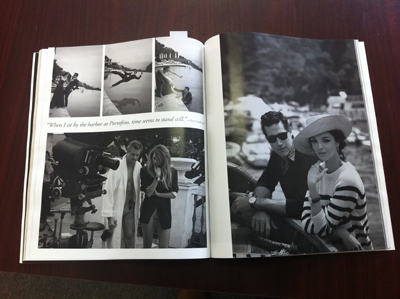
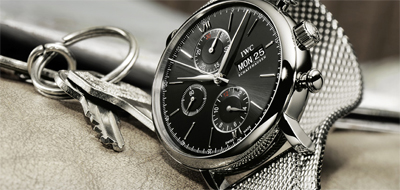
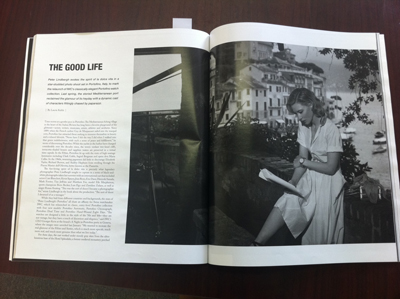
Swiss watchmaker IWC Schaffhausen is flaunting exclusive images and content of its Portofino timepiece collection available only in May issues of Modern Luxury publications, shot by renowned fashion photographer Peter Lindbergh.
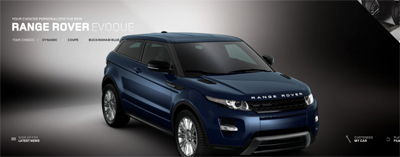
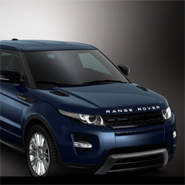
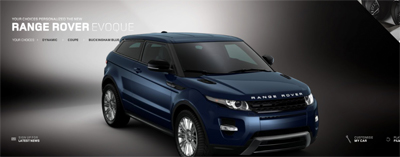
Land Rover, maker of Land Rover and Range Rover cars, is pushing its Evoque models with an Internet film called “Being Henry” that allows users to watch the film that ultimately reveals the consumer's perfect car.
Much in the way that social media has engendered this shift for interpersonal and non-commercial experiences, proximity marketing represents an entirely new way to take in the commercial experience.
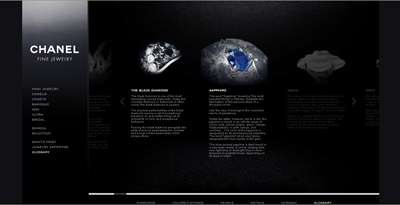
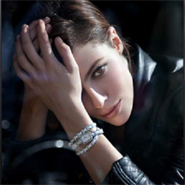
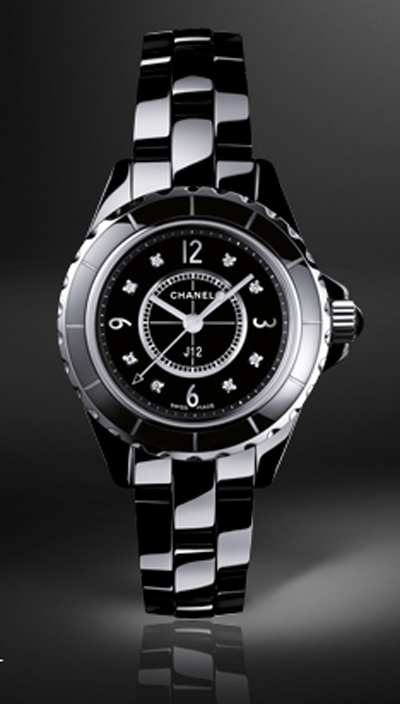
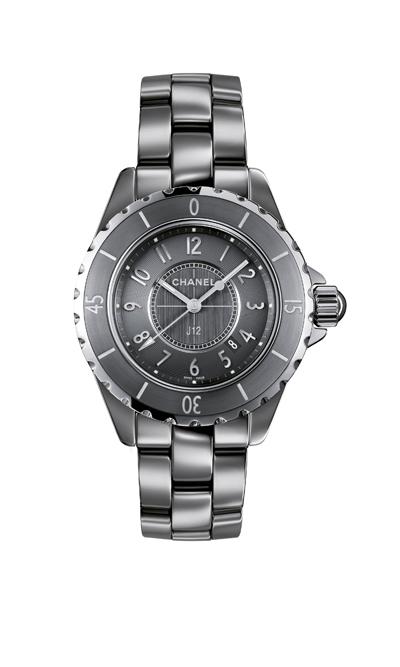
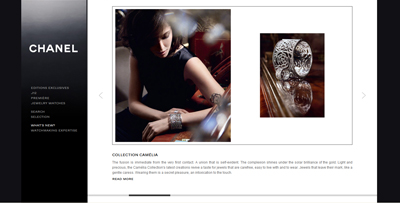
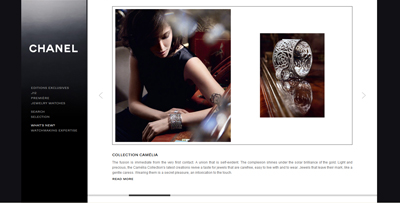
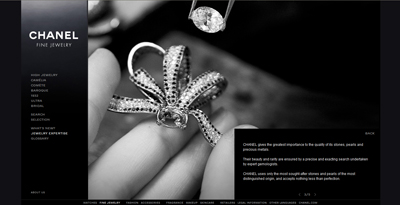
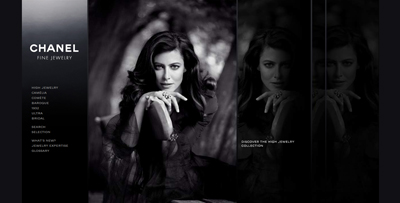
French fashion house Chanel is taking one giant leap for iconic luxury brands with the launch of two mobile-optimized sites for its fine jewelry and watch collections.
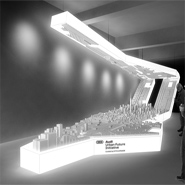
Audi of America is attempting to stir discussions about urban mobility and sustainability for the future by assisting in building a scale-model of New York in 2030 that will be on display during the Festival of New Ideas May 7-9.
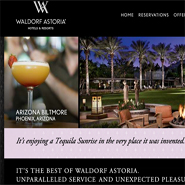
Hilton Hotel-owned Waldorf Astoria has chosen a microsite to market its “Best of…” summer offerings that flaunts special characteristics and activities at branded properties around the world.
In addition to reaching settlements with Google and Twitter over their privacy practices, the Federal Trade Commission has stepped into another digital arena and filed its first lawsuit challenging a mobile marketing campaign.
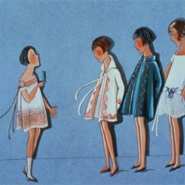
French apparel and accessories designer Lanvin is going back to its roots to woo mothers with the launch of its pricey new children’s line for little girls, which reportedly will cost more than 10 times the amount of other childrenswear.
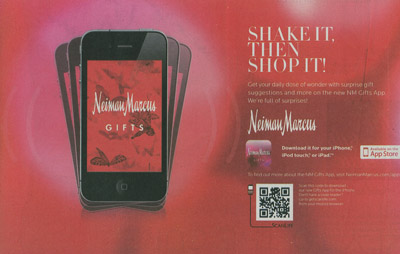
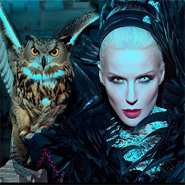
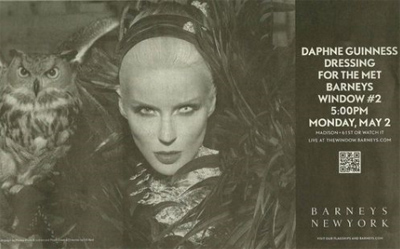
Barneys New York is joining the ranks of luxury department stores such as Bergdorf Goodman, Bloomingdale’s and Neiman Marcus that are using QR codes to engage consumers and drive in-store or mobile traffic.
Today in luxury marketing - Luxury brands stake out new department store turf; Angelina Jolie replaced by Kate Winslet for St. John; Kenneth Cole reports loss; SpendingPulse reports luxury sales up 10pc in April.
Luxury consumers are presented with a barrage of media choices in which to connect with brands such as Facebook, Twitter, Tumblr, Web sites, phone numbers and YouTube accounts. At what point does it become too much?
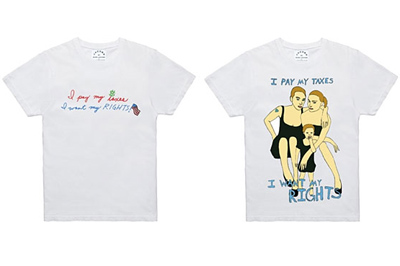
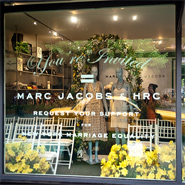
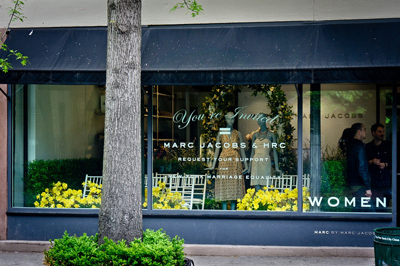
Apparel and accessories designer Marc Jacobs is taking a stance for marriage equality by teaming up with the Human Rights Campaign and unveiling a “New Yorkers for Marriage Equality Campaign” window display at the brand’s store in Manhattan.
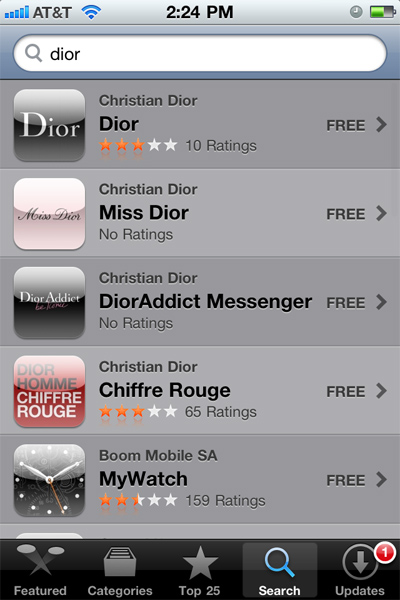
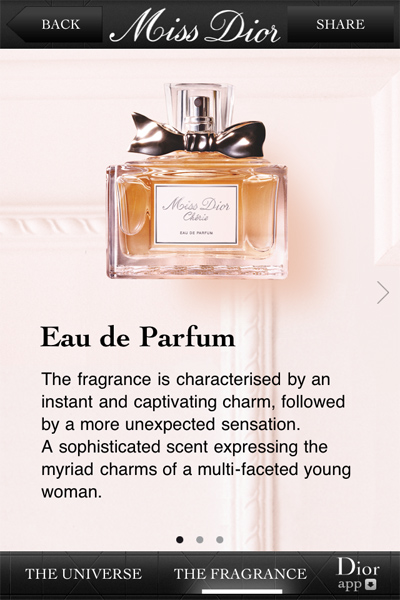
French fashion house Christian Dior has recently released a fifth mobile application for Apple customers, but it is hard to tell if this multitude of apps is truly helping the brand or taking away from selling opportunities.
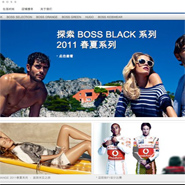
Today in luxury marketing - Hugo Boss expands ecommerce to China; Luxury goods sales glitter; Prestige beauty sales show growth; BMW leads Mercedes in US luxury auto sales by 29 as of April.
The most obvious advantages of mobile are immediacy, intrusiveness and interactivity – all crucial in a customer-care context, according to a senior executive with history in direct and interactive marketing.
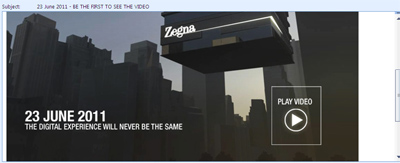
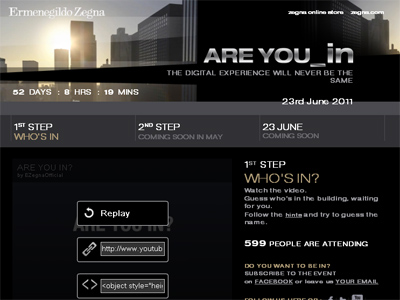
Italian clothier Ermenegildo Zegna is attempting to pique consumers’ interest with a mystery microsite, Facebook posts and emails, but some experts are thinking that this confusing strategy is more slump than savvy.