

- No categories



The question is not for which smartphones you will build an application, but which mobile technology works best for your app and users.



Meta-luxury observes the rise of a paradigm of “luxury beyond luxury,” founded on the principles of knowledge, purpose and timelessness. The authors examine what is at the heart of meta-luxury and its implications for brand and business management.

Mobile application developers have never had it better – or worse.

Marketers deploying mobile need to take a look at their existing mobile marketing programs and determine how many of them depend on data to thrive.

If you are a luxury retailer fishing for new talent to lead your digital strategy, prepare to widen your net.

Adoption may be too mild a term to really describe how the smartphone is affecting consumer behavior.

Ignore all that advice about minding your manners. Businesses that avoid getting pushy do so at their own peril.

The growth of social media networks has brought changes to customer behavior, affinity and influence, leaving luxury brands to unearth new strategies for creating highly effective social retail experiences.

Think about it: what other industry or company do you know of that charges you for service every month but you cannot start using the service for four months?

When conducting mobile advertising, brands should be asking that one-word question: “And … ?” Yes, in and of themselves, mobile ad programs are great.

With a little creativity and strategic thinking, you can make your mobile commerce app meet and exceed its expectations.

The problem is that mobile and online advertising are as different as TV and direct mail. The same rules do not apply. The same metrics do not apply. And the same goals do not apply.
When it comes to tablets and their ability to engage consumers and entice them with marketing messages, we have not even scratched the surface.
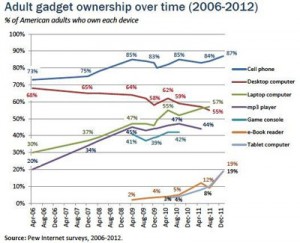
Currently, 88 percent of U.S. adults have a mobile phone, 57 percent have a laptop, 19 percent own an e-book reader and 19 percent own a tablet, while 13 percent of U.S. adults own a laptop, smartphone and tablet.

In many ways, marketing and selling luxury goods is similar to marketing and selling other consumer brands, with a few important caveats.

It is easy to get bogged down with the influx of information about mobile technology. Here are a few simple dos and don’ts to start publishers off on the right foot when developing a mobile strategy.

Not all application installs are created equally, so how do you pinpoint which installs are valuable to your business and move the needle on revenue?

Marketers who use mobile and social media face challenges that these platforms present when making clear and conspicuous disclosures complying with FTC Dot Com Disclosure Guidelines.

One of the guiding design principles for creating a positive user experience has been the consideration of consistency as a critical attribute of the experience.

A new wave of location-based applications has arrived on the scene to cheers of being the “next big thing” by the tech community while instilling fear in others.

Mobile is already unifying once-siloed online and bricks-and-mortar channels. Mobile payments can accelerate this trend by blurring the difference between mobile, online and in-store shopping.