The online advertising industry brought in $12.1 billion in revenue between January and June – the best first-half total ever, according to the Interactive Advertising Bureau.
Word-of-mouth is a powerful driver of luxury purchases because shoppers trust their friends, family and even strangers online to give them recommendations far more than they trust advertising messages.
There is a growing realization that the best way to know what consumers want from a retailer is to enable ways for them to speak with the company directly, rather than trying to guess based on past purchase history.
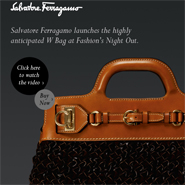
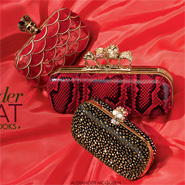
Luxury brands such as Louis Vuitton and Marc Jacobs are spending significantly more on advertising this year as the ad market rebounds from a disastrous 2009.
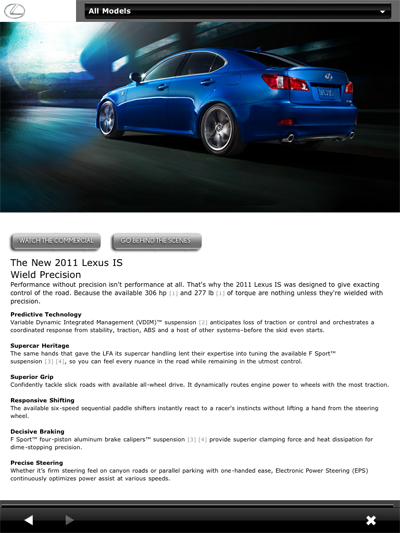
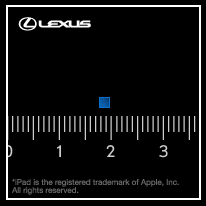
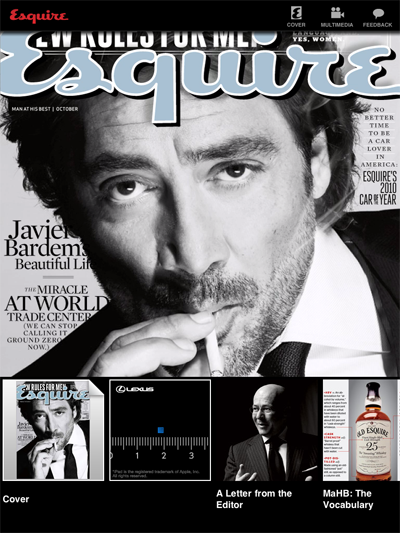
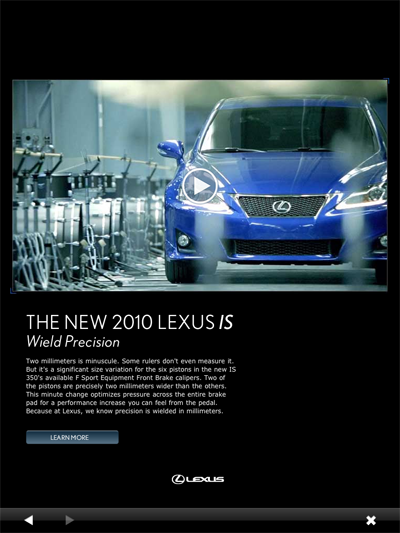
Lexus is promoting its 2011 IS line of sedans with interactive rich-media units as part of an exclusive launch sponsorship of Esquire magazine’s iPad application.
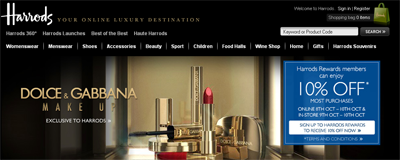
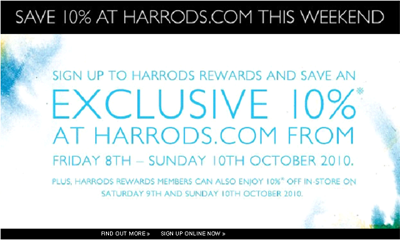
London’s Harrods offered in-store and online discounts for shoppers who signed up for its rewards program in a move to bolster its customer relationship marketing.
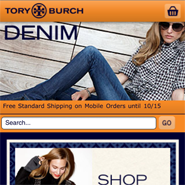
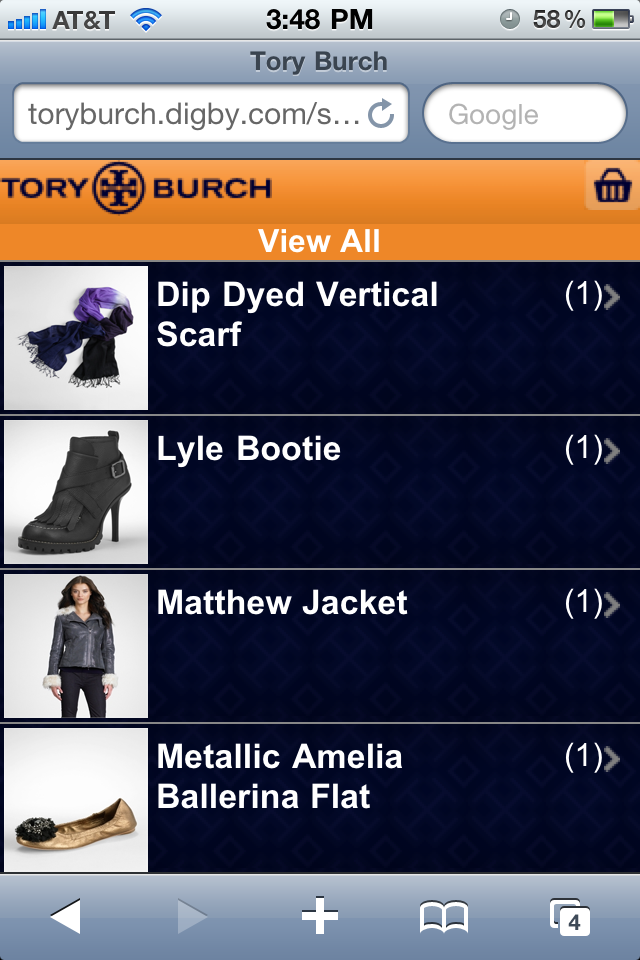
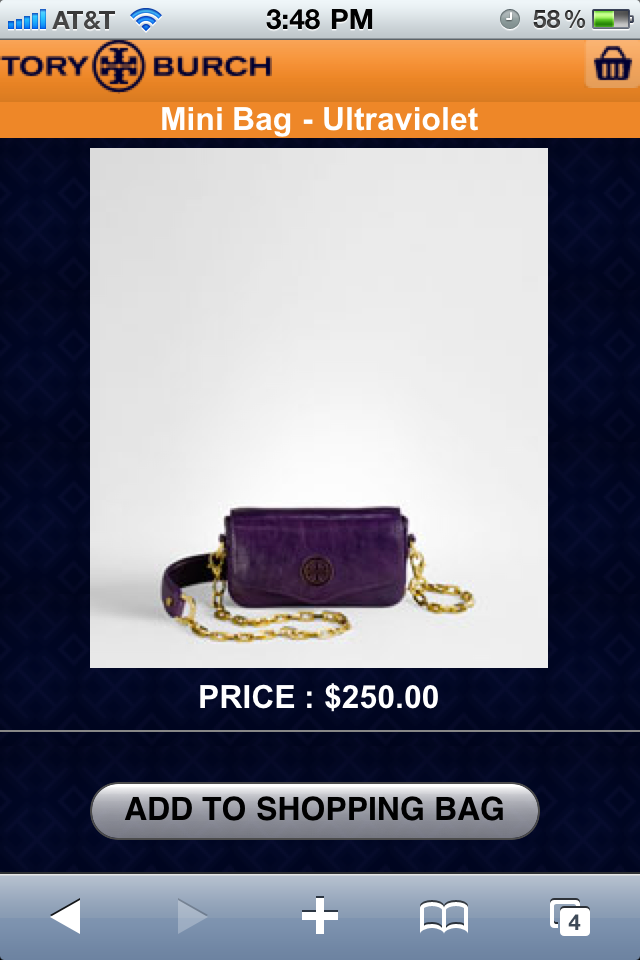
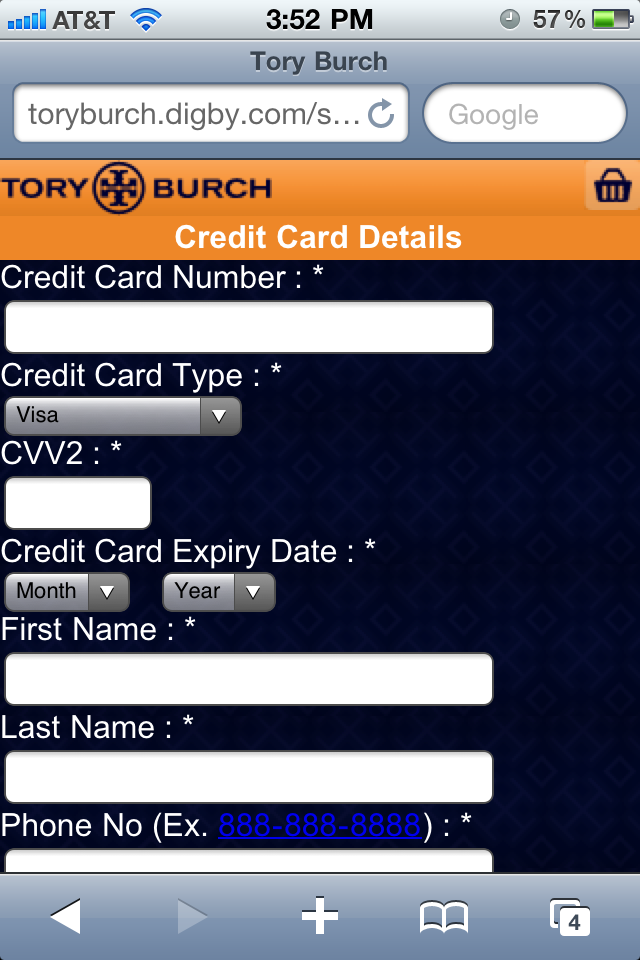
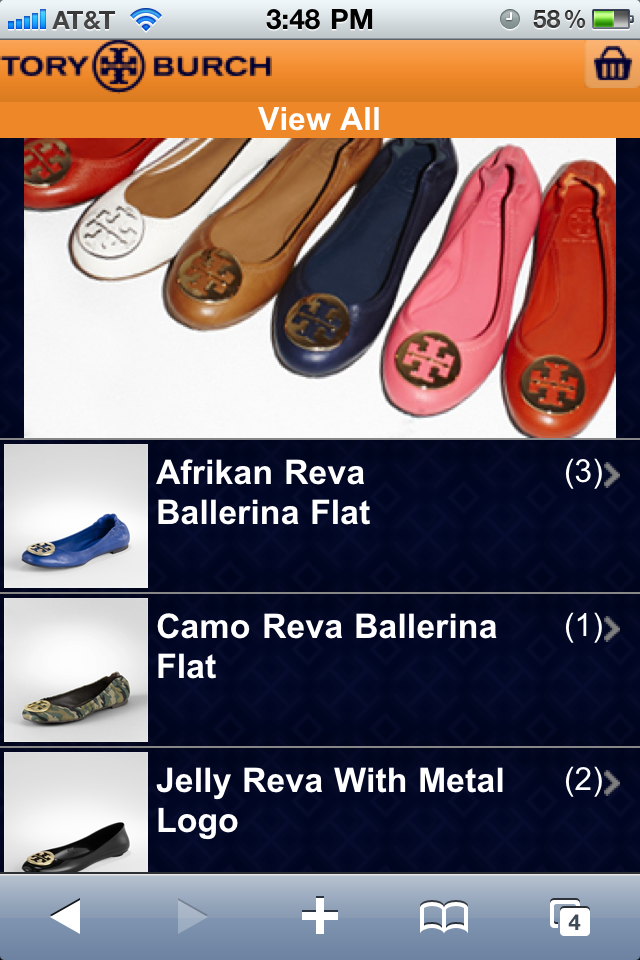
With mobile’s ability to be nearly instant at communicating a message or offer, it becomes a must-have tool in retail sales. But beware – there are some major pitfalls in mobile commerce.
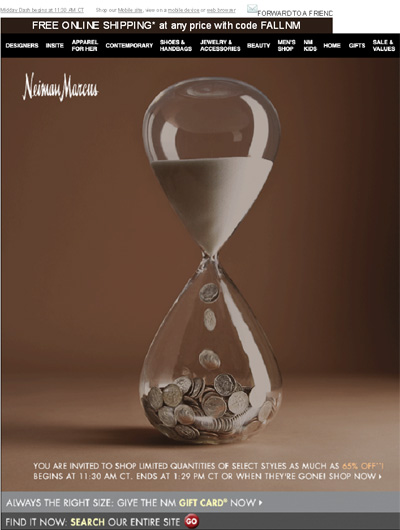
Luxury brands must use the reach and convenience afforded by online shopping to offset consumer restraint in the face of a still-tepid economy this holiday season.
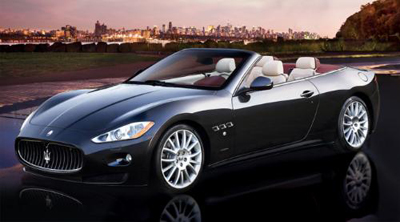
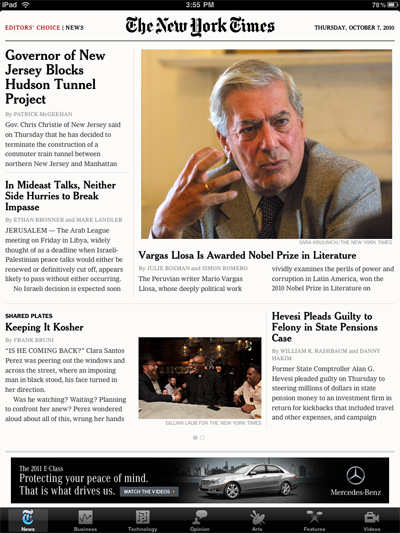
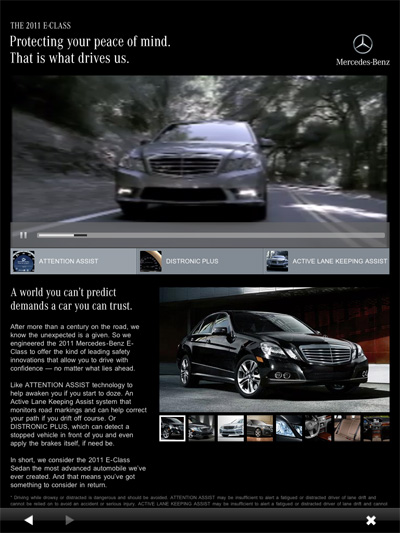
German automaker Mercedes-Benz is promoting its 2011 E-Class with an in-application advertising campaign on The New York Times’ Editors Choice iPad application.
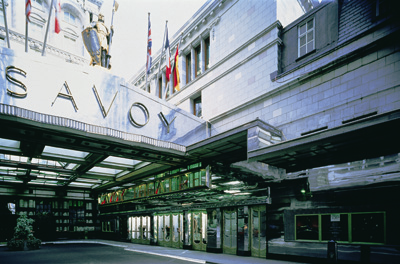
Mobile booking will account for $76 million in revenue for hotels this year, making it a necessity – not a luxury – for upscale travel and hospitality services.