


- No categories



The current mobile advertising landscape has bifurcated into two separate and distinct advertising practices.



With the launch of Amazon’s new Android tablet, will the retailer’s signature one-click checkout meet portable desire and allow for an optimal commerce experience for the impulse shopper on the go?

While we all like to focus on the more innovative applications of mobile – LBS, QR codes, augmented reality – the truth is that the bulk of mobile marketing activities have been SMS-driven.

By year’s end, more than half of mobile phone users will have smartphones. More interesting is that 93 percent of smartphone users use their phones inside the home, per Google.

During a recent trip to India to explore the shopper marketing and mobile landscape, I was initially shocked by how the corporate world responds to the clock.
The settlements of the class action suits brought against popular television shows such as American Idol and Deal or No Deal further strengthen the requirement to offer equivalent value when charging for an entry to a sweepstakes.

Mobile NFC may make sense for coffee chains and convenience stores. However, when it comes to higher-value items, retailers and shoppers need to look elsewhere.

Lowe’s recent decision to deploy 42,000 iPhones for its in-store associates is a major milestone for stakeholders in the mobile marketing and mobile commerce space. Why?

The average marketing budget today commits around 15 percent to digital – the majority of which is still via PCs. And for CPG and physical stores, it is a mere 2 percent. Why the discrepancy?

Author Bridget Brennan discusses the difference between sex appeal and gender appeal in an excerpt from her book, “Why She Buys.”

E-signature services are a primary example of how luxury brands can employ cloud-based solutions to scale quickly and enhance the customer experience.

Mobile commerce is expected to reach $31 billion by the end of 2016 and grow at a rate of 40 percent each year for the next five years, according to a report published by Forrester Research.
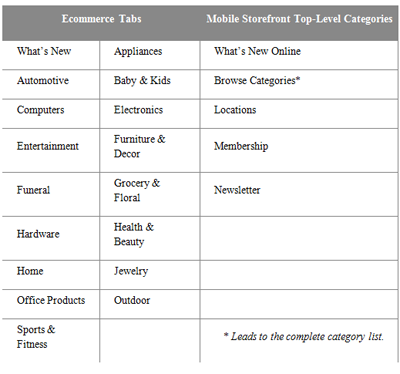
In the past, retailers thought of their mobile storefront as a kind of showcase, rather than as a real supplement to the ecommerce bottom line. Not so now.

There is no denying the effect that the economy has had on luxury markets in the last few years, but one aspect that has not been looked at as much is the U.S. perception of real estate value and how that has changed the way people shop.

As 2D bar code campaigns become more popular, many companies are failing to follow the golden rules of implementing mobile codes, leaving consumers frustrated and confused. These are five pitfalls to avoid.

It should be no surprise that one of the newest CRM strategies reflects that larger trend in mobile: the use of apps to engage the consumer.

There is no denying that the marketer’s role is not getting any easier, given that mobile and social media demand real-time decisions, personalized messaging and location-based offers.

A recent study from Google and Ipsos OTX shows that 95 percent of smartphone users conduct mobile searches, with 88 percent of those taking an action as a result within a day.

Mobile holds the promise of fundamentally changing the relationship that brands have with buyers. Unfortunately, many companies still are not optimizing their mobile strategy.

Despite the many obvious benefits and the significant interest it has generated, geo-targeting has yet to truly take off.

Business-to-business marketers should be thinking about mobile apps as customer relationship marketing tools that literally follow the customer throughout their day.