While Apple is dealing with some production issues as it tries to keep up with demand for its products, last week’s results suggest that the company could still generate over $200 billion in revenue in 2013.
Mobile is shaping consumers’ minds and behavior, creating new expectations of convenience and an increased desire for cohesive cross-channel and multi-device shopping experiences.
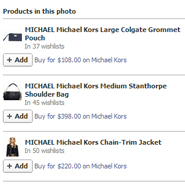
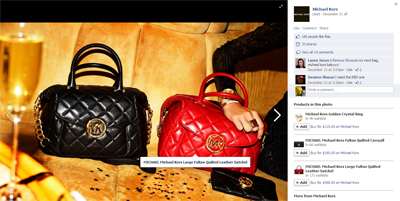
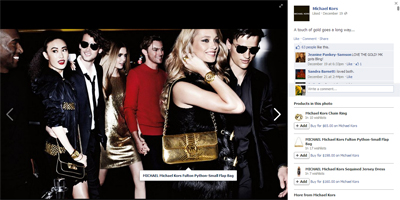
Michael Kors is the U.S. label with the most digital appeal worldwide and is being praised for its ability to stay top of mind among consumers in the BRIC markets in a new report from Digital Luxury Group.
Footwear designer Brian Atwood is bolstering the shopping experience at its first New York flagship store through QR codes that connect smartphone and tablet users to video content.
Today in luxury marketing - PPR's Gucci confirms luxury slowdown in Q3; Alexander McQueen men's store lands on Savile Row; Neiman Marcus sells a dozen $354,000 McLarens within two hours; Demand for luxury cars boosts Inchcape.
Several factors are driving this proliferation of devices including miniaturization, technology transfer from mobile phones and price reductions due to volume manufacturing.
Luxury marketers often take creative liberty with campaigns to build the coveted buzz-factor among their target audience. However, two recent instances from Chanel and Barneys New York show that public perception could change the meaning of a campaign.
Luxury advertisers including Breguet, Hermès, David Yurman, Bulgari, Cartier, Tiffany & Co., Dior, Bottega Veneta and Chanel are flaunting fall ad campaigns in the latest 119-ad-page issue of Condé Nast’s Architectural Digest.
After months of rumors, the iPad mini was unveiled this week by Apple and the device looks to be competing head-on with the Nexus 7 from Google and Amazon's Kindle Fire.