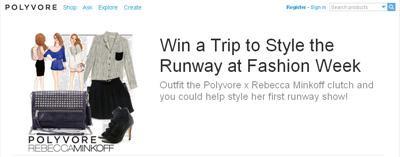
Rebecca Minkoff is using fashion Web site Polyvore as a vehicle to promote its new initiative that allows consumers to design a Spring 2011 look, with the chance of being sent to New York Fashion Week 2011.
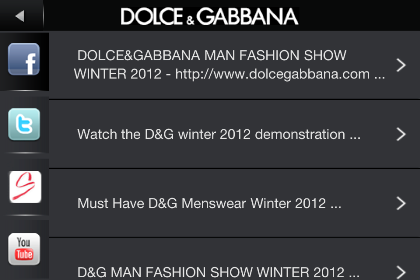
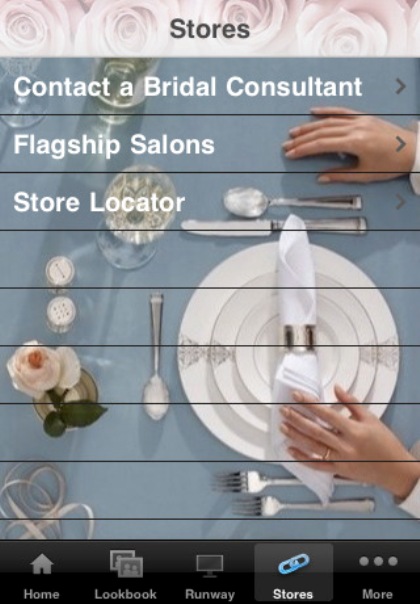
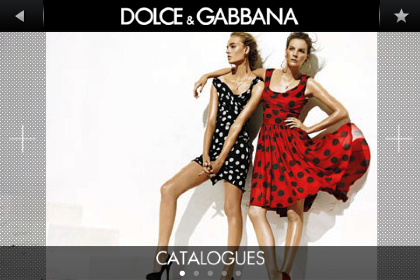
Luxury fashion brand Dolce & Gabbana is providing tech-savvy affluent consumers a mobile experience that combines a fashion-oriented interface with a selection of branded content via an iPhone application.
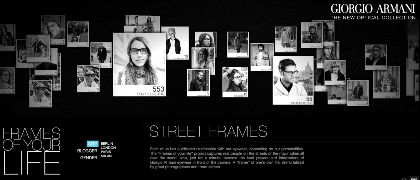
Following the debut of its interactive Web site project, Italian designer Giorgio Armani introduced a street-style photography campaign showcasing everyday affluent consumers wearing its eyewear.
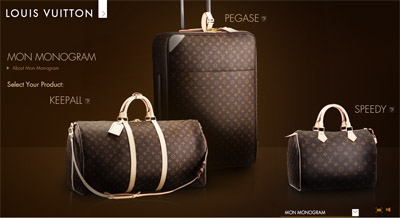
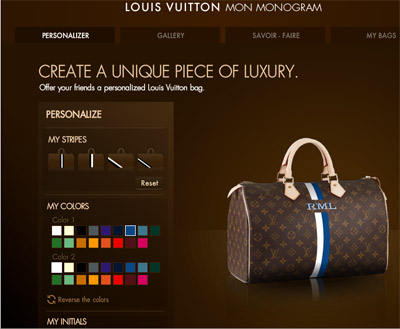
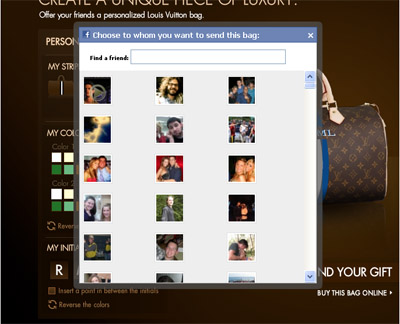
Louis Vuitton is adding an even more personalized touch for users by allowing them to add their own features, colors and initials to the brand's bags through a Facebook application.
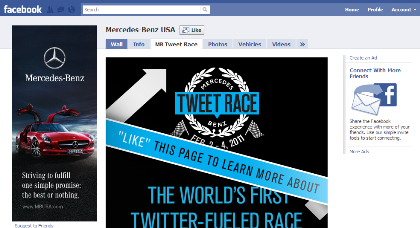
Mercedes-Benz revealed plans for an initiative that leverages the virality of Twitter to power four race teams to the Super Bowl, during which the carmaker will advertise for the first time.
It is no secret that luxury brands must use multiple channels to communicate with consumers. But it is also beneficial to let customers talk back by adding interactive elements to existing media, allowing users to initiate engagement.
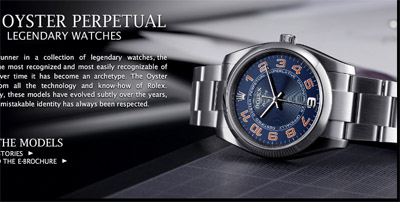
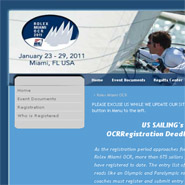
Rolex is using its sponsorship of US Sailing Rolex Miami OCR Olympic and Paralympic championships to reach affluent, athletic males that represent the brand's target audience.
The only way to capitalize on the potential power of an SMS-based opt-in database is to somehow learn more about each consumer so that brands can effectively market to the person – and not a phone number.
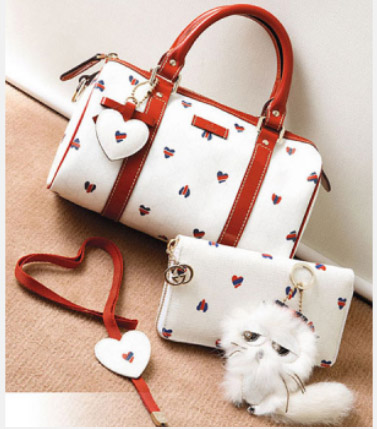
Although some affluent consumers see Valentine's Day as a chance for jewelry and candy companies to make money, luxury brands think outside of the proverbial chocolate box in order to reap the benefits of star-crossed lovers and their wallets.
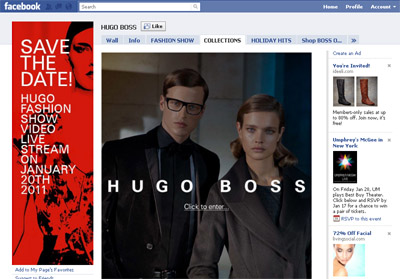
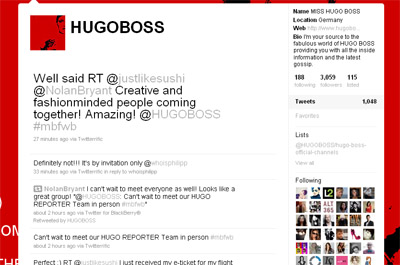
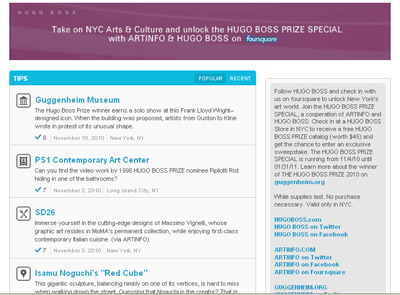
Luxury brands can learn from Hugo Boss' use of social media, which is effective, drives ROI and is integrated with the company's other marketing efforts.