


- No categories



When we talk about RTB in the online advertising industry, we are typically talking about “real-time bidding,” or programmatic buying, aka the “race to the bottom.” It is not a place any luxury brand wants to be.



If you want to reach your audience on mobile devices, you must design your services to function elegantly on those hand-held devices, or they will drop you like a bad habit and sully your brand on Facebook on their way out.

Facebook announced significant updates to its news feed last week which could have key implications for luxury marketers.

The problem is that consumers are much less likely to visit a marketer’s site if a marketing email is viewed on a smartphone, compared to a desktop computer.

Back in the mid-1700s, the British Royal Navy tasked ship surgeon James Lind with finding a way to ward off scurvy, a debilitating disease leading to open sores, tooth loss and jaundice, among sailors.

With mobile devices, the advertising and publishing landscape and the means of gauging success has been turned on its head – including the principles of traditional mass audience advertising.

The top three sites with the largest mobile audiences are Google, Yahoo and Facebook, each of whose mobile audiences are approximately 50 percent the size of their desktop audiences.

Mobile marketers need to pay close attention to the directives on privacy protection issued by California Attorney General Kamala D. Harris.

Without a means of bridging the divide between QR codes and social media, marketers will not reach their true target audience.
As more opportunities emerge for brands to reach affluent audiences online, the choices of where and what to buy can become overwhelming: mobile, social, niche networks and a thousand ad units from which to choose, such as text and rich media.
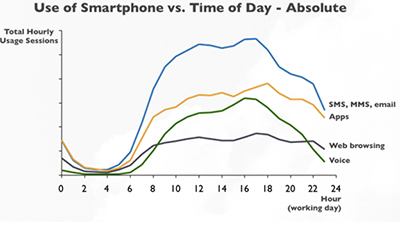
Along with other best practice in text message marketing, one of the fastest ways to upset mobile database subscribers is to send them messages at the wrong time.
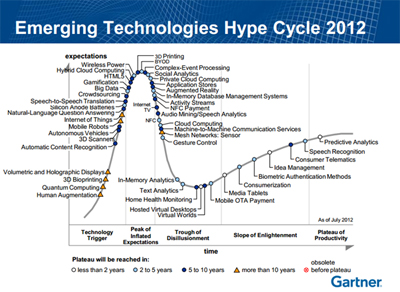
With the continued high demand for mobile applications, marketers, retailers and developers in 2013 will be faced with many challenges and opportunities, mostly associated with new devices or new versions of existing devices.

A new report from research firm IDC predicts that 86 percent of shoppers will access a retailer’s site on their mobile device while shopping in a retail store.

One of the latest hot topics when it comes to consumer behavior is how we have started to use our mobile phones for commerce and, more specifically, as a payment solution.

It is sink or swim in the world of mobile sales, and one misguided strategic decision can leave an organization gasping for air.

It is on pretty good authority that mobile has been touted as Facebook’s next billion-dollar opportunity. Facebook currently has 1 billion users, 600 million of whom access the social network on a mobile device.

Luxury hoteliers are cautiously moving into the mobile application space and the results are widely divergent. They have taken their baby steps but are in an adolescent phase, lacking a mature offering.
This is a land that puts a premium on “being first” – home to the world’s first electric chair execution (Go USA!); the launch of Albert II, the first monkey in space; and the first obesity drug approved for dogs (yes, that is correct).

What advertising law challenges from 2012 will role over to this year that will affect marketers and retailers? A lawyer specializing in advertising and marketing law takes an indepth look.

The rise in smartphone and tablet usage has established mobile as a key channel within the multichannel retailer’s arsenal for customer engagement.

As you assemble the goals for your mobile strategy, be sure to map them back to your digital strategy within a mobile context.