

- No categories


Luxury Unfiltered is a weekly column by Daniel Langer, an expert in luxury branding, hospitality and activations who was named a “Global Top 5 Luxury Key Opinion Leader” by Netbase Quid.


Luxury Unfiltered is a weekly column by Daniel Langer, an expert in luxury branding, hospitality and activations who was named a “Global Top 5 Luxury Key Opinion Leader” by Netbase Quid.
AI’s effects are sweeping the fashion world, from campaigns to the shopping experience and even design.
Luxury Unfiltered is a weekly column by Daniel Langer, an expert in luxury branding, hospitality and activations who was named a “Global Top 5 Luxury Key Opinion Leader” by Netbase Quid.

To stand out, luxury brands must cultivate personal and memorable experiences for their customers.
Luxury Unfiltered is a weekly column by Daniel Langer, an expert in luxury branding, hospitality and activations who was named a “Global Top 5 Luxury Key Opinion Leader” by Netbase Quid.
Luxury Unfiltered is a weekly column by Daniel Langer, an expert in luxury branding, hospitality and activations who was named a “Global Top 5 Luxury Key Opinion Leader” by Netbase Quid.
Luxury Unfiltered is a weekly column by Daniel Langer, an expert in luxury branding, hospitality and activations who was named a “Global Top 5 Luxury Key Opinion Leader” by Netbase Quid.
In the fashion industry, what is AI’s impact and what should luxury brands acknowledge throughout its utilization of it?
Macro-cultural value shifts mean high-net-worth travelers now have a different set of expectations.

The luxury market is poised for transformative shifts across various domains, painting a dynamic landscape for industry players.
What is the future of luxury retail? Like with any global industry, it is complicated and will be largely influenced by technology.
The leader vetoed and edited several laws in December that are set to make business easier for luxury labels.
Brands lacking clarity in their offerings are likely to encounter difficulties.
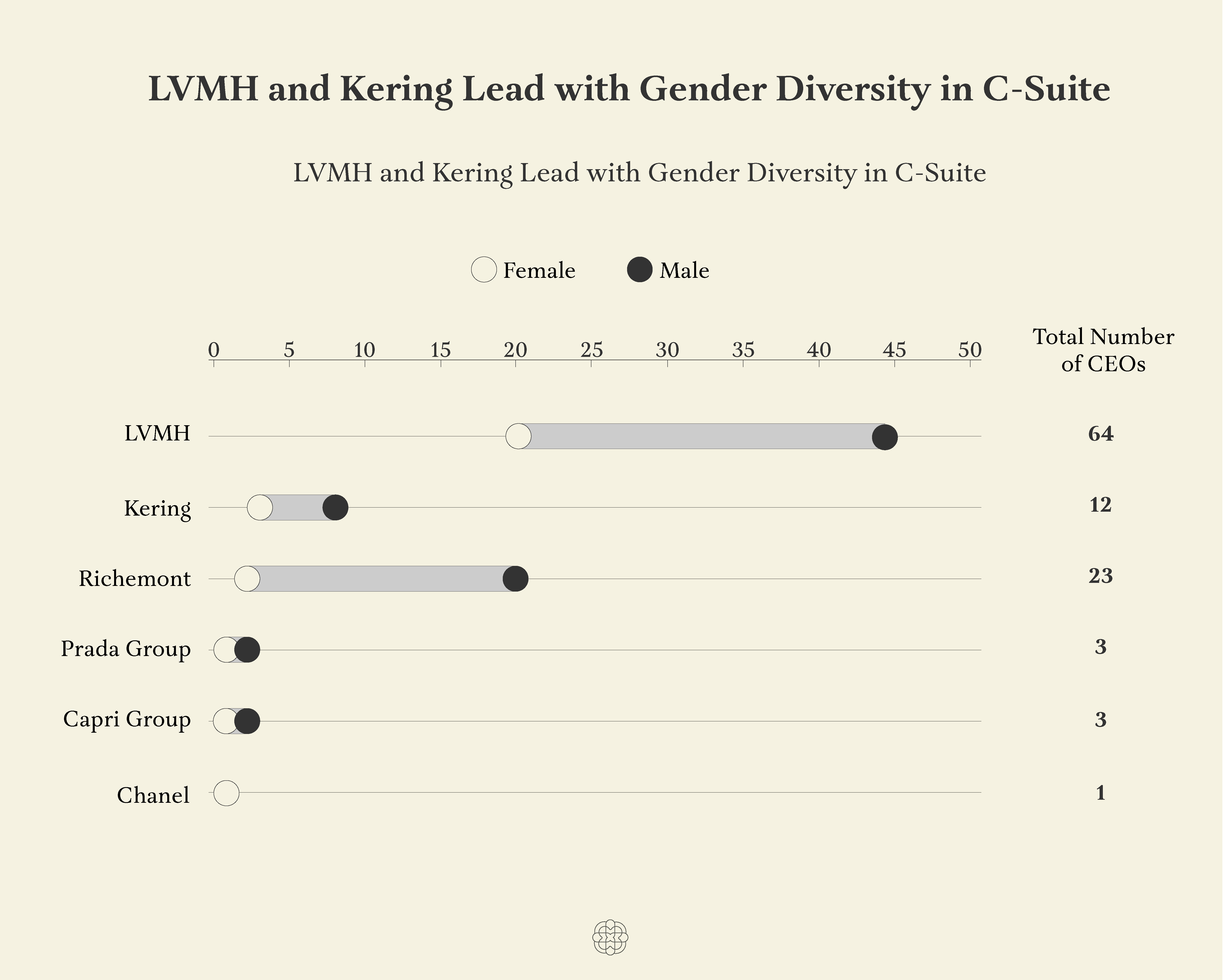
Using data engineering methods, I set out to answer the question, “how diverse is luxury leadership?”
As the industry grapples with excess inventory, new opportunities emerge for strategic partnerships between luxury brands and sustainability-focused counterparts.

Luxury brands that partner with bricks-and-mortar retailers can create synergies beyond setting up a mere distribution network.
Several new laws will force leaders to disallow the status quo.

As young consumers become key buyers in the market, the industry needs to evolve to fit their vision of luxury defined by knowledge, access, community and craft.
There are many growth opportunities in the luxury sector, but creativity is critical for labels to truly excel.
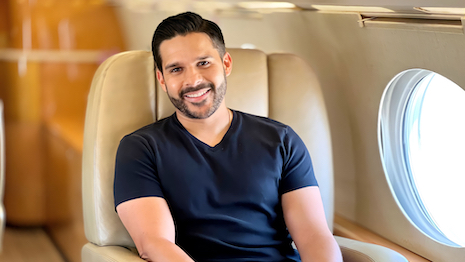
Leading global private jet provider BitLux shares the list of the most relevant events that private jet passengers attend on a yearly basis. What can you look forward to in 2024?